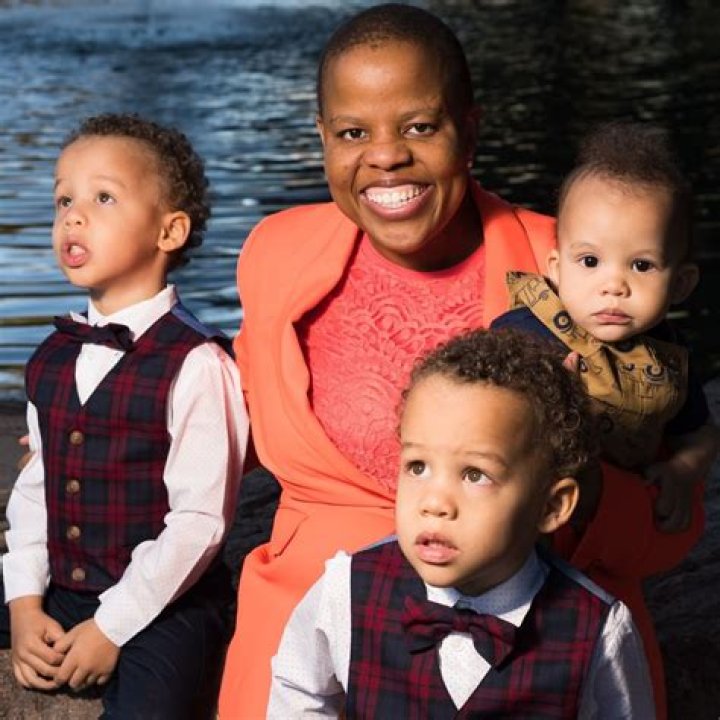
The royal family refers to a group of individuals who are closely related to the monarch of a country or state. They typically include the monarch's spouse, children, and other close relatives. The term "royal family" can also be used more broadly to refer to all of the descendants of a former monarch.
Royal families have existed for centuries, and they have played an important role in the history and culture of many countries. In some countries, the royal family is still seen as a symbol of national unity and tradition. In other countries, the royal family has a more limited role, and it may be seen as a tourist attraction or a source of national pride.
There are many different types of royal families around the world. Some royal families are very large, with hundreds or even thousands of members. Other royal families are much smaller, with only a few dozen members. The size of a royal family can depend on a number of factors, including the country's population, the history of the monarchy, and the rules of succession.
The Royal Family
The royal family is a group of individuals who are closely related to the monarch of a country or state. They typically include the monarch's spouse, children, and other close relatives. The term "royal family" can also be used more broadly to refer to all of the descendants of a former monarch.
- Lineage: The royal family's lineage can be traced back for centuries, and they are often seen as symbols of national unity and tradition.
- Power: In some countries, the royal family still wields considerable political power, while in others, their role is more limited.
- Wealth: Royal families are often very wealthy, and they may own vast amounts of land, property, and other assets.
- Privilege: Members of the royal family often enjoy a number of privileges, such as special access to education, healthcare, and other services.
- Scandal: Royal families are often in the news, and they are often the subject of scandal and controversy.
- Tourism: Royal families can be a major tourist attraction, and they can generate significant revenue for their country.
- Tradition: Royal families often play an important role in maintaining and preserving cultural traditions.
- Diplomacy: Royal families can play an important role in diplomacy and international relations.
- History: Royal families have played a significant role in the history of many countries, and they have often been at the center of major events.
- Culture: Royal families can have a significant impact on the culture of their country, and they can help to shape the national identity.
These are just a few of the key aspects of the royal family. Royal families are complex and fascinating institutions, and they play an important role in the lives of many people around the world.
Lineage
The lineage of the royal family is one of its most important aspects. It is a symbol of the family's long history and its connection to the country it represents. In many countries, the royal family is seen as a symbol of national unity and tradition. This is because the royal family has often played a central role in the country's history and culture.
For example, in the United Kingdom, the royal family can trace its lineage back to the Norman Conquest in 1066. Over the centuries, the royal family has played a central role in British history. They have led the country through wars and revolutions, and they have been a symbol of stability and continuity during times of change.
The lineage of the royal family is also important because it ensures the continuity of the monarchy. When the monarch dies, the throne passes to their eldest child. This ensures that the monarchy is passed down from generation to generation, and it helps to maintain the stability of the country.
However, the lineage of the royal family can also be a source of controversy. In some cases, the line of succession has been disputed, and this has led to civil wars and other conflicts.
Overall, the lineage of the royal family is a complex and fascinating topic. It is a symbol of the family's long history and its connection to the country it represents. The lineage of the royal family is also important because it ensures the continuity of the monarchy.
Power
The power of the royal family varies greatly from country to country. In some countries, the royal family still wields considerable political power, while in others, their role is more limited.
- Direct Political Power: In some countries, the royal family has direct political power. This means that they can make laws, appoint government officials, and even declare war. For example, in the United Kingdom, the Queen is the head of state and has the power to dissolve Parliament.
- Indirect Political Power: In other countries, the royal family has indirect political power. This means that they can influence government policy through their personal relationships with politicians and other powerful people. For example, in Japan, the Emperor is a symbol of national unity and has no formal political power. However, he can still influence government policy through his personal relationships with the Prime Minister and other government officials.
- Limited Political Power: In some countries, the royal family has very limited political power. This is often the case in countries that have a republican form of government. For example, in the United States, the President is the head of state and the royal family has no formal political power.
- No Political Power: In a few countries, the royal family has no political power at all. This is often the case in countries that have a communist form of government. For example, in China, the Communist Party is the ruling party and the royal family has no political power.
The power of the royal family is a complex and fascinating topic. It varies greatly from country to country, and it is often influenced by historical, cultural, and political factors.
Wealth
The wealth of the royal family is a major source of fascination for many people. How did they acquire so much wealth, and what do they do with it?
- Inheritance: Much of the wealth of the royal family comes from inheritance. Over the centuries, the royal family has been gifted with land, property, and other assets from wealthy individuals and organizations. For example, the British royal family owns vast amounts of land in the United Kingdom, including Buckingham Palace and Windsor Castle.
- Investments: The royal family also invests its wealth in a variety of assets, such as stocks, bonds, and real estate. This helps to grow their wealth over time.
- Tourism: The royal family also generates revenue from tourism. For example, Buckingham Palace is a major tourist attraction, and visitors pay to tour the palace and its grounds.
- Business ventures: Some members of the royal family also have their own business ventures. For example, Prince Charles owns a number of organic farms, and Prince Andrew is a trade envoy for the United Kingdom.
The wealth of the royal family is used to fund a variety of activities, including the upkeep of royal palaces and estates, the salaries of royal staff, and the royal family's official duties. The royal family also uses its wealth to support a variety of charities and other good causes.
Privilege
Members of the royal family are born into a life of privilege. They enjoy a number of advantages that are not available to ordinary citizens. These privileges include special access to education, healthcare, and other services.
- Education: Members of the royal family often attend the best schools and universities in the world. They have access to top-notch teachers and resources, and they are often given special treatment. For example, Prince William and Prince Harry both attended Eton College, one of the most prestigious boarding schools in the United Kingdom.
- Healthcare: Members of the royal family have access to the best healthcare in the world. They are treated by top doctors and specialists, and they have access to the latest medical technology. For example, the Queen has her own personal physician, and she is treated at Buckingham Palace.
- Other services: Members of the royal family also enjoy a number of other privileges, such as special access to transportation, security, and other services. For example, the Queen has her own private jet, and she is protected by a team of bodyguards.
The privileges enjoyed by the royal family are often justified on the grounds that they are necessary to protect the monarchy and to ensure the smooth running of the state. However, some critics argue that these privileges are unfair and that they create a divide between the royal family and the rest of society.
Scandal
Royal families are often in the news, and they are often the subject of scandal and controversy. This is due to a number of factors, including the high-profile nature of their lives, the intense media scrutiny they face, and the fact that they are often seen as symbols of their country or culture.
- Media Attention: Royal families are constantly in the spotlight, and their every move is scrutinized by the media. This can lead to scandals and controversies, even over relatively minor issues. For example, in 2018, Meghan Markle, the Duchess of Sussex, was criticized for wearing a pair of jeans to a royal engagement.
- Public Expectations: Royal families are held to a high standard of behavior, and any perceived misstep can lead to scandal. For example, in 2019, Prince Andrew, the Duke of York, was forced to step down from his royal duties after he was accused of sexual misconduct.
- Political Implications: Royal families are often seen as symbols of their country or culture, and their actions can have political implications. For example, in 2020, the British royal family was criticized for their handling of the COVID-19 pandemic.
Scandals and controversies can have a significant impact on the royal family. They can damage the family's reputation, lead to public outrage, and even threaten the monarchy itself. For example, the abdication of King Edward VIII in 1936 was caused, in part, by his relationship with Wallis Simpson, an American divorcee.
Despite the risks, scandals and controversies are an inevitable part of royal life. The royal family is a complex and fascinating institution, and it is subject to the same pressures and challenges as any other family. However, the royal family is also a symbol of national unity and tradition, and it is likely to continue to be a source of both fascination and controversy for many years to come.
Tourism
The connection between tourism and the royal family is a mutually beneficial one. Royal families can be a major tourist attraction, and they can generate significant revenue for their country. This is because people are fascinated by the royal family and their lifestyle. They want to see where they live, what they do, and how they interact with the public. This fascination can lead to a significant number of tourists visiting a country, which can boost the economy and create jobs.
For example, the British royal family is one of the most popular tourist attractions in the world. Buckingham Palace, the Queen's official residence, is one of the most visited tourist attractions in London. In 2019, over 1.5 million people visited Buckingham Palace. This generated over 50 million in revenue for the UK economy.
The revenue generated by tourism can be used to fund a variety of projects, such as education, healthcare, and infrastructure. This can benefit the entire country, not just the royal family. For example, the revenue generated by tourism in the UK is used to fund the National Health Service (NHS), which provides free healthcare to all UK residents.
The connection between tourism and the royal family is a complex one. It is a mutually beneficial relationship that can benefit both the royal family and the country as a whole.
Tradition
Royal families are often seen as the embodiment of their nation's culture and heritage. They play a vital role in preserving and promoting traditional values, customs, and practices.
- Preserving Cultural Heritage: Royal families often possess vast collections of artifacts, artwork, and documents that are of great historical and cultural significance. They also maintain historic buildings and monuments, ensuring that they are preserved for future generations.
- Promoting Traditional Arts and Crafts: Royal families frequently patronize traditional artists and craftspeople, providing them with support and recognition. By doing so, they help to keep traditional skills and techniques alive.
- Encouraging Cultural Events and Festivals: Royal families often attend and participate in cultural events and festivals, lending their support and helping to promote these traditions to the wider public.
- Acting as Cultural Ambassadors: When royal family members travel abroad, they often serve as cultural ambassadors, representing their nation's traditions and values on the international stage.
The role of royal families in maintaining and preserving cultural traditions is invaluable. They help to ensure that these traditions are passed down to future generations and continue to be an integral part of their nation's identity.
Diplomacy
Royal families have a long history of playing a significant role in diplomacy and international relations. Due to their unique status and international recognition, they can bridge cultural and political divides, foster understanding, and promote cooperation among nations.
- Official Diplomatic Functions: Royal family members often represent their countries in official diplomatic functions, such as state visits, international summits, and cultural exchanges. They meet with foreign leaders, diplomats, and dignitaries to discuss issues of mutual interest and strengthen diplomatic ties.
- Cultural Diplomacy: Royal families can also engage in cultural diplomacy by promoting their nation's culture and values abroad. They attend cultural events, visit schools and universities, and interact with local communities, showcasing their country's unique heritage and fostering goodwill.
- Crisis Diplomacy: In times of international tension or crisis, royal families can play a mediating or conciliatory role. Their neutral and respected status allows them to facilitate dialogue, build trust, and help resolve conflicts peacefully.
- Soft Power and Influence: Royal families possess significant soft power, which is the ability to influence others through attraction and persuasion rather than coercion. Their high visibility, media coverage, and connections with influential people worldwide enable them to raise awareness, advocate for causes, and shape public opinion on global issues.
The diplomatic role of royal families is not without its challenges. They must navigate complex political landscapes, balance national interests with international cooperation, and maintain their neutrality and impartiality. Nevertheless, their unique position and global reach make them valuable players in the world of diplomacy and international relations.
History
Throughout history, royal families have played a pivotal role in shaping the course of events in their respective nations and beyond. Their influence extends far beyond their immediate realms, affecting politics, culture, and society in profound ways.
- Political and Military Leadership: Royal families have often served as political and military leaders, guiding their countries through wars, revolutions, and periods of prosperity. Their decisions have had a profound impact on the geopolitical landscape and the lives of millions.
- Cultural and Intellectual Patronage: Royal courts have historically been centers of cultural and intellectual patronage. Kings and queens have supported artists, writers, scientists, and scholars, fostering the development of art, literature, and scientific advancements.
- Symbols of National Identity: Royal families embody the history, traditions, and values of their nations. They serve as unifying symbols, representing the collective aspirations and heritage of their people.
- Diplomatic and International Relations: Royal families play a significant role in international relations, representing their countries on the global stage. They engage in diplomatic missions, cultural exchanges, and peace initiatives, fostering cooperation and understanding among nations.
The connection between royal families and history is undeniable. They have been at the forefront of shaping their nations' destinies, leaving an indelible mark on the world stage. By understanding their historical significance, we gain a deeper appreciation for the complex interplay between monarchy and society.
Culture
Royal families are often seen as the embodiment of their nation's culture and heritage. They play a vital role in preserving and promoting traditional values, customs, and practices. They also have a significant influence on contemporary culture, shaping trends in fashion, art, and music.
- Preserving and Promoting Cultural Heritage: Royal families often possess vast collections of artifacts, artwork, and documents that are of great historical and cultural significance. They also maintain historic buildings and monuments, ensuring that they are preserved for future generations. For example, the British royal family's collection of the Crown Jewels is one of the most valuable and iconic in the world.
- Patronage of the Arts: Royal families have a long history of supporting and patronizing the arts. They commission works from artists, attend cultural events, and establish awards to recognize artistic excellence. This patronage has played a significant role in the development and flourishing of art and culture in many countries. For example, the Medici family in Renaissance Florence was known for its patronage of artists such as Michelangelo and Leonardo da Vinci.
- Influence on Popular Culture: In today's world, royal families continue to influence popular culture. Their fashion choices, travel destinations, and personal interests are often followed and emulated by the public. For example, the Duchess of Cambridge's fashion choices have been widely reported on and imitated around the world.
The connection between royal families and culture is a complex and multifaceted one. Royal families are both products and shapers of their nation's culture. They play a vital role in preserving and promoting cultural heritage, patronizing the arts, and influencing popular culture. In doing so, they help to define and shape the national identity.
FAQs about the Royal Family
The royal family is a group of individuals who are closely related to the monarch of a country or state. They typically include the monarch's spouse, children, and other close relatives. The term "royal family" can also be used more broadly to refer to all of the descendants of a former monarch.
Question 1: What is the role of the royal family?
The role of the royal family varies from country to country. In some countries, the royal family has a direct political role, while in others, their role is more symbolic. In the United Kingdom, for example, the Queen is the head of state and has the power to dissolve Parliament. However, she does not have any direct political power, and her role is largely ceremonial.
Question 2: How is the royal family funded?
The funding of the royal family varies from country to country. In some countries, the royal family is funded through a civil list, which is a fixed sum of money that is paid to the monarch by the government. In other countries, the royal family is funded through a combination of public and private funds.
Question 3: What are the benefits of having a royal family?
There are a number of benefits to having a royal family. The royal family can provide a sense of stability and continuity in a country. They can also be a source of national pride and unity. In addition, the royal family can help to promote tourism and economic growth.
Question 4: What are the challenges of being a member of the royal family?
There are a number of challenges to being a member of the royal family. The royal family is constantly in the public eye, and their every move is scrutinized by the media. They also have to follow a strict set of rules and protocols. In addition, members of the royal family are often expected to sacrifice their personal lives for the sake of their public duties.
Question 5: What is the future of the royal family?
The future of the royal family is uncertain. In some countries, the royal family is facing increasing pressure to modernize and become more accountable to the public. In other countries, the royal family remains popular and is seen as a symbol of national identity and tradition.
Question 6: Is the royal family still relevant in the modern world?
The relevance of the royal family is a matter of debate. Some people argue that the royal family is an outdated institution that has no place in a modern democracy. Others argue that the royal family still has an important role to play in society, providing a sense of stability and continuity, and promoting national pride and unity.
The royal family is a complex and fascinating institution. It has played an important role in the history of many countries, and it continues to be a source of fascination for people around the world.
Tips from the Royal Family
The royal family has a wealth of knowledge and experience to share. Here are a few tips from the royal family that can help you live a more gracious and fulfilling life.
Tip 1: Always be polite and respectful.
No matter who you are talking to, always be polite and respectful. This shows that you value the other person and that you are interested in what they have to say. Even if you disagree with someone, you can still be polite and respectful.
Tip 2: Dress appropriately for the occasion.
When you are attending a formal event, it is important to dress appropriately. This shows that you respect the event and the people who are attending. If you are unsure about what to wear, it is always better to err on the side of caution and dress more formally.
Tip 3: Be on time.
Punctuality is a sign of respect. When you are on time, you are showing that you value the other person's time and that you are organized and efficient.
Tip 4: Be a good listener.
When someone is talking to you, really listen to what they have to say. Make eye contact, nod your head, and ask questions to show that you are interested in what they have to say. Good listening skills are essential for building strong relationships.
Tip 5: Be kind and compassionate.
Treat others the way you want to be treated. Be kind, compassionate, and understanding. Everyone is going through their own challenges, so it is important to be supportive and helpful.
Conclusion
The royal family is a complex and fascinating institution. It has played an important role in the history of many countries, and it continues to be a source of fascination for people around the world. Royal families can embody their nation's culture and heritage, serving as unifying symbols and representing collective aspirations. They can also wield considerable political power, influence diplomacy and international relations, and generate significant revenue through tourism.
The future of the royal family is uncertain. In some countries, the royal family is facing increasing pressure to modernize and become more accountable to the public. In other countries, the royal family remains popular and is seen as a symbol of national identity and tradition. Whether or not the royal family will continue to play a significant role in society remains to be seen. However, one thing is for sure: the royal family will continue to be a source of both fascination and controversy for many years to come.
Unveiling Fred Blankenship: Discoveries And Insights For Lins10 Enthusiasts
Unraveling The Inspiring Legacy Of "Mami Jordan": A Journey Of Strength And Unwavering Love
Unlock The Secrets Of Zach Gentry: Unveiling Hidden Gems And Insider Insights