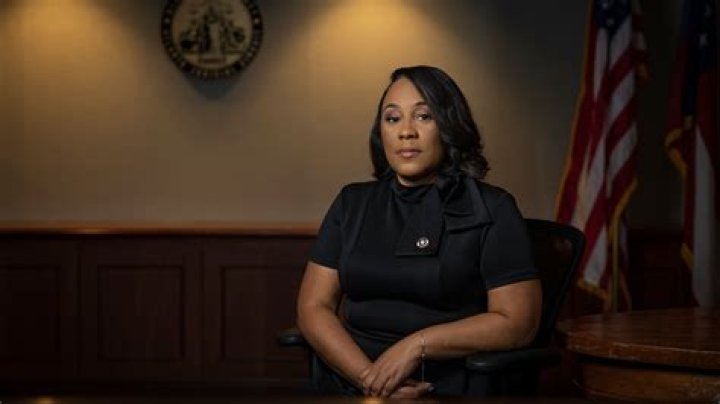
"Ameshia cross married" is a phrase used to describe a type of marriage between two people of different racial or ethnic backgrounds. This type of marriage has been practiced for centuries, and it has become increasingly common in recent years.
There are many reasons why people choose to cross marry. Some people do it for love, while others do it to improve their economic or social status. Cross marriage can also be a way to break down racial and ethnic barriers. In the United States, cross marriage was illegal in many states until the Supreme Court ruled in 1967 that it was unconstitutional. Since then, cross marriage has become increasingly common, and it is now legal in all 50 states.Cross marriage can be a challenging experience, but it can also be a rewarding one. Couples who cross marry often have to deal with prejudice and discrimination from both sides of their families and communities. However, they can also find strength and support from each other, and they can create a loving and supportive home for their children.
There are many benefits to cross marriage. Cross marriage can help to break down racial and ethnic barriers, and it can help to create a more tolerant and understanding society. Cross marriage can also help to improve economic and social mobility, and it can help to create stronger families.
Ameshia Cross Married
Marrying someone from a different racial or ethnic background can be a challenging but rewarding experience. Here are eight key aspects to consider before entering into a cross-cultural marriage:
- Communication: It is important to be able to communicate effectively with your partner, both verbally and nonverbally.
- Culture: Be aware of the cultural differences between you and your partner, and be respectful of each other's traditions.
- Family: Be prepared to deal with the challenges of blending two families from different backgrounds.
- Friends: Your friends may not all be supportive of your cross-cultural marriage, so it is important to have a strong support system in place.
- Finances: Money can be a source of stress in any marriage, but it can be especially challenging in a cross-cultural marriage.
- Religion: If you and your partner have different religious beliefs, it is important to discuss how you will raise your children.
- Values: Make sure that you and your partner share the same core values, such as honesty, integrity, and respect.
- Love: Most importantly, make sure that you and your partner love and respect each other.
Cross-cultural marriages can be a beautiful and enriching experience, but it is important to be aware of the challenges that you may face. By being open-minded, respectful, and communicative, you can overcome these challenges and build a strong and lasting relationship.
Communication
Communication is essential for any relationship, but it is especially important in cross-cultural marriages. This is because couples in cross-cultural marriages often have different cultural backgrounds and communication styles, which can lead to misunderstandings and conflict. Effective communication can help couples to overcome these challenges and build a strong and lasting relationship.
- Verbal communication involves the use of words to express oneself. This includes speaking, writing, and sign language. In a cross-cultural marriage, it is important to be aware of the different ways that people from different cultures communicate verbally. For example, some cultures are more direct than others, while some cultures are more indirect. It is also important to be aware of the different meanings that words can have in different cultures.
- Nonverbal communication involves the use of body language, facial expressions, and eye contact to express oneself. Nonverbal communication can be just as important as verbal communication, and it can often convey more information. In a cross-cultural marriage, it is important to be aware of the different ways that people from different cultures communicate nonverbally. For example, some cultures value eye contact more than others, while some cultures consider it to be disrespectful.
By being aware of the different ways that people from different cultures communicate, couples in cross-cultural marriages can avoid misunderstandings and build a strong and lasting relationship.
Culture
Culture plays a vital role in shaping our values, beliefs, and behaviors. When people from different cultures marry, it is important to be aware of the cultural differences between them and to be respectful of each other's traditions. This is essential for building a strong and lasting relationship.
One of the most important aspects of culture is communication. Different cultures have different ways of communicating, both verbally and nonverbally. It is important to be aware of these differences and to avoid misunderstandings. For example, in some cultures, it is considered to be rude to make direct eye contact, while in other cultures, it is considered to be a sign of respect. It is also important to be aware of the different meanings that words can have in different cultures.
Another important aspect of culture is family. In some cultures, the family is very important, and extended family members often live together. In other cultures, the family is less important, and people are more independent. It is important to be aware of the different roles that family members play in different cultures and to be respectful of each other's family traditions.
Finally, it is important to be aware of the different values and beliefs that people from different cultures have. These values and beliefs can affect everything from the way people raise their children to the way they make decisions. It is important to be respectful of each other's values and beliefs, even if you do not agree with them.
By being aware of the cultural differences between you and your partner, and by being respectful of each other's traditions, you can build a strong and lasting relationship.
Family
When two people from different cultural backgrounds marry, they often have to deal with the challenge of blending two families from different backgrounds. This can be a difficult task, as each family may have its own unique set of traditions, values, and beliefs. However, it is important to remember that family is one of the most important aspects of any marriage, and it is worth putting in the effort to make it work.
There are a few things that couples can do to make the process of blending two families from different backgrounds easier. First, it is important to be open and honest with each other about your expectations and concerns. Second, it is important to be respectful of each other's traditions and values. Third, it is important to be patient and understanding. It takes time to build a strong and lasting relationship between two families from different backgrounds.
Despite the challenges, blending two families from different backgrounds can be a rewarding experience. It can help to create a more diverse and tolerant society, and it can also help to strengthen the bonds between the two families.
Friends
Cross-cultural marriages can be challenging, and one of the challenges is dealing with unsupportive friends. This can be especially difficult if you and your partner come from very different cultural backgrounds. Your friends may not understand your relationship, and they may even disapprove of it. This can lead to feelings of isolation and loneliness.
It is important to have a strong support system in place if you are in a cross-cultural marriage. This support system can provide you with emotional support, advice, and encouragement. It can also help you to connect with other people who are in similar situations.
There are many different ways to build a strong support system. You can talk to your family, friends, therapist, or religious leader. You can also join support groups or online communities for people in cross-cultural marriages.
Having a strong support system can help you to overcome the challenges of a cross-cultural marriage. It can also help you to build a happy and lasting relationship with your partner.
Finances
Finances are a major source of stress in any marriage, but they can be especially challenging in a cross-cultural marriage. This is because couples in cross-cultural marriages often have different financial backgrounds and expectations. For example, one partner may come from a culture where it is customary to save money, while the other partner may come from a culture where it is customary to spend money. This can lead to conflict and resentment if the couple is not able to find a way to manage their finances that works for both of them.
In addition to the different financial backgrounds and expectations that couples in cross-cultural marriages may have, they may also face discrimination from financial institutions. For example, they may be denied loans or credit cards, or they may be charged higher interest rates. This can make it difficult for couples in cross-cultural marriages to achieve their financial goals.
Despite the challenges, it is possible to have a successful cross-cultural marriage. One of the most important things that couples can do is to communicate openly and honestly about their finances. They should also be willing to compromise and find a way to manage their finances that works for both of them. It is also important to seek professional help if needed. A financial advisor can help couples to develop a budget and plan for their financial future.
Religion
In the context of an "ameshia cross married" relationship, where two individuals from different racial or ethnic backgrounds unite in marriage, religious differences can pose unique challenges and opportunities. Understanding the significance of religion in both partners' lives and finding common ground for raising children becomes crucial for the couple's happiness and the well-being of their family.
- Spiritual Beliefs and Values: Different religions often espouse distinct spiritual beliefs, moral values, and practices. Couples must engage in open and respectful dialogue to explore their respective faith traditions, identify shared principles, and determine how they will instill those values in their children.
- Religious Practices and Customs: Religious practices and customs, such as attending worship services, observing dietary restrictions, and celebrating holidays, can vary significantly across religions. Couples need to discuss how they will navigate these differences, whether they will adopt a blended approach or choose to prioritize one religion's practices.
- Interfaith Education: Raising children in an interfaith household presents an opportunity for them to learn about diverse religious perspectives and develop a tolerant and inclusive worldview. Parents can intentionally expose their children to both religions, encouraging them to ask questions, explore different spiritual traditions, and make informed decisions about their own beliefs.
- Respect and Understanding: Above all, it is essential for couples in an "ameshia cross married" relationship to approach religious differences with respect and understanding. They should strive to create a home environment where both partners feel valued and supported in their religious beliefs and practices, fostering a sense of belonging and mutual enrichment.
By navigating these facets thoughtfully and proactively, couples in an "ameshia cross married" relationship can harness the potential of their religious diversity to enrich their lives, raise well-rounded children, and contribute to a more harmonious and inclusive society.
Values
In the context of "ameshia cross married" relationships, where individuals from diverse racial or ethnic backgrounds unite, shared values serve as a cornerstone for building a strong and fulfilling partnership. Aligning on core values ensures that both partners are working towards the same goals and have a similar moral compass, fostering harmony and mutual support.
- Honesty and Trust: Trust is the foundation of any healthy relationship, and it is especially important in "ameshia cross married" relationships where cultural differences may present unique challenges. Being honest and transparent with each other builds a strong bond of trust, allowing both partners to feel secure and supported.
- Integrity and Authenticity: Living with integrity means adhering to moral principles and values even when faced with difficult choices. In "ameshia cross married" relationships, maintaining integrity involves respecting each other's cultural heritage, beliefs, and practices, fostering a sense of mutual respect and appreciation.
- Respect and Understanding: Respect is paramount in any relationship, and it is particularly crucial in "ameshia cross married" relationships where partners come from different cultural backgrounds. Respecting each other's perspectives, beliefs, and values creates a safe and inclusive environment where both partners feel valued and heard.
- Communication and Compromise: Effective communication is vital for any relationship to thrive. In "ameshia cross married" relationships, open and honest communication is essential for navigating cultural differences and finding mutually acceptable solutions. Being willing to compromise and find common ground allows couples to overcome challenges and build a stronger bond.
When couples in "ameshia cross married" relationships share core values such as honesty, integrity, respect, and effective communication, they create a solid foundation for a lasting and fulfilling partnership. These values serve as guiding principles that help them navigate cultural differences, build trust, and create a home filled with love, understanding, and mutual support.
Love
In the context of "ameshia cross married" relationships, love serves as the bedrock upon which a strong and enduring union is built. It is not merely a fleeting emotion but a profound commitment that transcends cultural differences and unites two individuals on a deeply personal level.
Love is the driving force that enables couples to navigate the challenges and complexities that may arise from their diverse backgrounds. It fosters understanding, empathy, and a willingness to embrace each other's unique perspectives. When love is present, cultural differences become less of a barrier and more of an opportunity for growth and mutual enrichment.
Real-life examples abound of "ameshia cross married" relationships that have thrived the power of love. Take, for instance, the story of Maria and Khalid, a couple who hails from different cultural and religious backgrounds. Despite the initial hesitations from their families and communities, their love for each other proved to be an unyielding force that overcame all obstacles.
The practical significance of understanding the connection between love and "ameshia cross married" relationships lies in its ability to guide couples in building a strong foundation for their future together. When love is prioritized, couples are more likely to approach challenges with a spirit of compromise and collaboration, seeking solutions that honor both their individual identities and their shared commitment to the relationship.
In conclusion, love is not just a desirable quality in "ameshia cross married" relationships; it is an essential ingredient for success. It empowers couples to transcend cultural differences, embrace diversity, and create a fulfilling and lasting partnership.
Frequently Asked Questions about "Ameshia Cross Married"
The term "ameshia cross married" refers to marriages between individuals from different racial or ethnic backgrounds. These relationships can offer unique opportunities for personal growth and cultural exchange, but they can also present challenges.
Question 1: What are some of the challenges that "ameshia cross married" couples face?
One of the biggest challenges is dealing with cultural differences. Couples may have different values, beliefs, and customs, which can lead to misunderstandings and conflict. Another challenge is dealing with prejudice and discrimination from family, friends, or society at large.
Question 2: What are some of the benefits of "ameshia cross married" relationships?
These relationships can offer a number of benefits, including increased understanding of different cultures, broader perspectives on life, and stronger bonds between family members.
Question 3: How can "ameshia cross married" couples overcome the challenges they face?
There are a number of things that couples can do to overcome the challenges they face, including communicating openly and honestly with each other, being respectful of each other's cultures, and seeking support from family, friends, or a therapist.
Question 4: What is the legal status of "ameshia cross married" relationships?
In most countries, "ameshia cross married" relationships are legally recognized. However, there are still some countries where these relationships are not recognized or are only partially recognized.
Question 5: What is the future of "ameshia cross married" relationships?
The future of "ameshia cross married" relationships is bright. As the world becomes increasingly globalized, more and more people are marrying across racial and ethnic lines. These relationships are helping to break down barriers and create a more tolerant and understanding world.
Overall, "ameshia cross married" relationships can be challenging, but they can also be incredibly rewarding. By understanding the challenges and benefits of these relationships, couples can increase their chances of success.
For more information on "ameshia cross married" relationships, please visit the following resources:
- National Institutes of Health
- Pew Research Center
- American Psychological Association
Tips for "Ameshia Cross Married" Relationships
Marrying someone from a different racial or ethnic background can be a wonderful experience, but it can also come with its own set of challenges. Here are a few tips to help you navigate the unique challenges of an "ameshia cross married" relationship:
Tip 1: Communicate openly and honestly.
One of the most important things in any relationship is communication. This is especially true in "ameshia cross married" relationships, where partners may come from different cultural backgrounds and have different expectations. Make sure to talk to your partner about your feelings, needs, and expectations. Be open to listening to your partner's perspective, even if it's different from your own.
Tip 2: Be respectful of each other's cultures.
One of the best things about "ameshia cross married" relationships is the opportunity to learn about different cultures. However, it's important to remember that not all cultures are the same. Be respectful of your partner's culture, even if it's different from your own. This means being open to trying new things, learning about your partner's traditions, and being supportive of their cultural identity.
Tip 3: Seek support from family and friends.
Having a strong support system is important for any relationship, but it's especially important for "ameshia cross married" relationships. Family and friends can provide you with emotional support, advice, and encouragement. They can also help you to navigate the challenges of cultural differences. Let your family and friends know about your relationship and ask for their support.
Tip 4: Be patient and understanding.
"Ameshia cross married" relationships can be challenging at times. There may be times when you and your partner disagree or misunderstand each other. It's important to be patient and understanding during these times. Remember that you're both coming from different backgrounds and that it takes time to learn about each other's cultures. Be willing to compromise and find solutions that work for both of you.
Tip 5: Remember that you love each other.
At the end of the day, the most important thing in any relationship is love. If you love each other, you can overcome any challenge. Remember why you fell in love with your partner in the first place. Focus on the things that you have in common, and cherish the unique qualities that each of you brings to the relationship.
By following these tips, you can increase your chances of having a successful and fulfilling "ameshia cross married" relationship.
Remember, every relationship is unique. What works for one couple may not work for another. The most important thing is to find what works for you and your partner and to be open to compromise. With love, respect, and understanding, you can overcome any challenge and build a strong and lasting relationship.
Conclusion
In exploring the complexities of "ameshia cross married" relationships, this article has illuminated the unique challenges and opportunities inherent in these unions. By delving into the themes of communication, cultural respect, seeking support, patience, and the enduring power of love, it has provided valuable insights for navigating the complexities of interracial and intercultural marriages.
As societies continue to evolve and global interconnectedness deepens, "ameshia cross married" relationships are poised to play an increasingly significant role in shaping our collective future. By embracing diversity, fostering understanding, and celebrating the richness of different cultures, we can create a more harmonious and inclusive world for all.
Unveiling The Secrets Of Gene Winfield's Age: Discoveries And Insights
Brittany Cartwright's Transformation Unveiled: Discoveries And Insights
Unveiling Ming Simmons' Height: Discoveries And Insights
Political Strategist Ameshia Cross Dissects Senate GOP Refusal of
Introducing new political commentator, Ameshia Cross