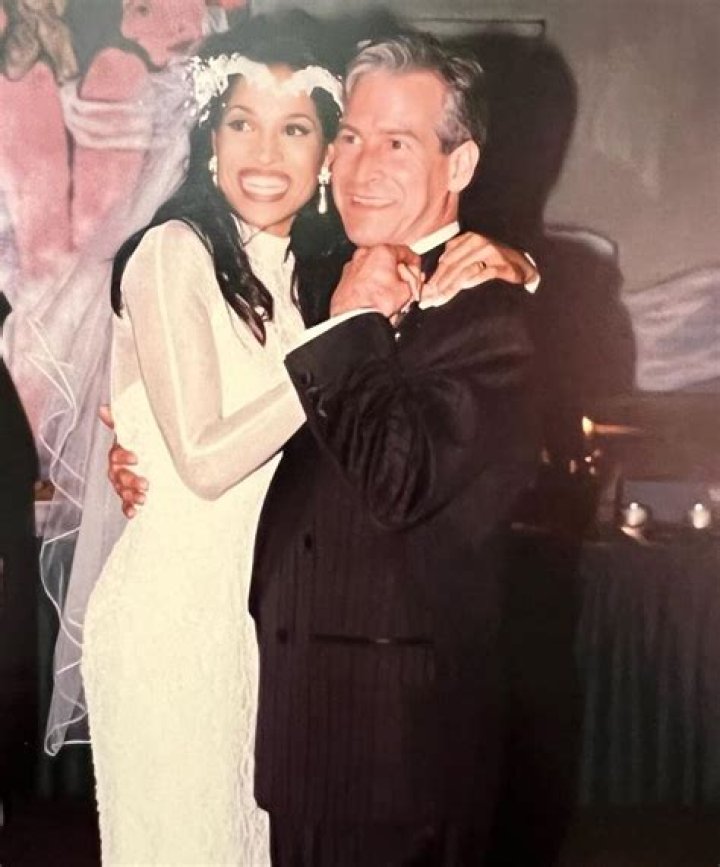
Ernesto Fonseca Carrillo, widely known as "Don Neto," was a Mexican drug lord who co-founded the Guadalajara Cartel, one of the most powerful drug trafficking organizations in history.
Born in 1930, Fonseca Carrillo began his criminal career in the 1970s by smuggling marijuana and cocaine into the United States. He quickly rose through the ranks of the Guadalajara Cartel, becoming one of its top leaders alongside Miguel ngel Flix Gallardo and Rafael Caro Quintero. The cartel was responsible for trafficking vast quantities of drugs into the United States and played a significant role in the rise of the Mexican drug trade.
Fonseca Carrillo was arrested in 1985 and sentenced to 40 years in prison for drug trafficking and murder. He died in prison in 2022 at the age of 92.
Ernesto Fonseca Carrillo
Ernesto Fonseca Carrillo, known as "Don Neto," was a prominent figure in the Mexican drug trade and co-founder of the Guadalajara Cartel. His life and actions left a lasting impact, shaping the dynamics of drug trafficking and law enforcement.
- Drug Lord: Fonseca Carrillo played a central role in the Guadalajara Cartel, one of the most powerful drug trafficking organizations in history.
- Cocaine Kingpin: He oversaw a vast cocaine trafficking network, supplying the United States with large quantities of the drug.
- Murder Conviction: Fonseca Carrillo was convicted of murder and sentenced to 40 years in prison.
- Guadalajara Cartel: As a co-founder of the cartel, he played a key role in its rise to power.
- Drug Trafficking: His involvement in drug trafficking contributed to the escalation of the Mexican drug war.
- Arrest and Imprisonment: Fonseca Carrillo's arrest in 1985 marked a significant moment in the fight against drug trafficking.
- Extradition to the U.S.: He was extradited to the United States to face charges related to drug trafficking.
- Death in Prison: Fonseca Carrillo died in prison in 2022, ending an era of his involvement in the Mexican drug trade.
These key aspects highlight the significance of Ernesto Fonseca Carrillo's role in the Mexican drug trade. His involvement in drug trafficking, leadership of the Guadalajara Cartel, and subsequent arrest and imprisonment underscore the complexities of the global drug trade and the challenges faced by law enforcement in combating it.
Drug Lord
Ernesto Fonseca Carrillo, known as "Don Neto," was a central figure in the Guadalajara Cartel, a powerful Mexican drug trafficking organization that played a significant role in the drug trade during the 1970s and 1980s.
- Leadership and Influence: Fonseca Carrillo was a key leader within the Guadalajara Cartel, responsible for overseeing a vast network of drug trafficking operations.
- Cocaine Trade: The Guadalajara Cartel, under Fonseca Carrillo's leadership, was a major player in the cocaine trade, supplying the United States with large quantities of the drug.
- International Network: The cartel's operations extended beyond Mexico, with Fonseca Carrillo establishing connections with drug traffickers in the United States and other countries.
- Violence and Corruption: The Guadalajara Cartel engaged in violence and corruption to maintain its power and control over the drug trade.
Fonseca Carrillo's role as a drug lord in the Guadalajara Cartel highlights the complex and dangerous nature of the drug trade, as well as the challenges faced by law enforcement in combating drug trafficking organizations.
Cocaine Kingpin
Ernesto Fonseca Carrillo, known as "Don Neto," played a central role in the cocaine trade as a key leader of the Guadalajara Cartel. His involvement in the cartel's cocaine trafficking network contributed significantly to the rise and influence of the organization.
Fonseca Carrillo's cocaine trafficking operations were extensive, with the cartel supplying large quantities of cocaine to the United States. The cartel's reach extended beyond Mexico, with connections to drug traffickers in the United States and other countries. This vast network allowed the cartel to transport and distribute cocaine efficiently, contributing to the increase in cocaine use and addiction in the United States during the 1970s and 1980s.
The cocaine trade generated substantial profits for the Guadalajara Cartel, which Fonseca Carrillo used to expand his operations and consolidate his power. The cartel's involvement in the cocaine trade also led to increased violence and corruption, as rival cartels and law enforcement agencies clashed over control of the lucrative drug market.
Fonseca Carrillo's role as a cocaine kingpin highlights the significant impact of drug trafficking on individuals, communities, and nations. His involvement in the cocaine trade contributed to the rise of the Guadalajara Cartel and the escalation of drug-related violence in Mexico and the United States.
Murder Conviction
The murder conviction of Ernesto Fonseca Carrillo, known as "Don Neto," is a significant aspect of his life story and involvement in the Mexican drug trade. This conviction highlights the violent nature of the drug trade and the consequences faced by those involved in drug-related crimes.
Fonseca Carrillo's murder conviction stems from his involvement in the Guadalajara Cartel, one of the most powerful drug trafficking organizations in history. The cartel was responsible for numerous acts of violence, including the murder of DEA agent Enrique Camarena in 1985. Fonseca Carrillo was convicted for his role in Camarena's murder and sentenced to 40 years in prison.
The murder conviction of Fonseca Carrillo serves as a reminder of the deadly consequences of drug trafficking and the importance of law enforcement efforts to combat drug-related violence. It also underscores the personal toll that the drug trade takes on individuals, families, and communities.
Guadalajara Cartel
Ernesto Fonseca Carrillo, known as "Don Neto," was a central figure in the rise and operations of the Guadalajara Cartel, one of the most powerful drug trafficking organizations in history.
- Leadership and Influence: Fonseca Carrillo was one of the founding members and leaders of the Guadalajara Cartel, playing a crucial role in establishing and directing its operations.
- Cocaine Trade: Under Fonseca Carrillo's leadership, the cartel became a major player in the international cocaine trade, supplying large quantities of cocaine to the United States.
- Violence and Corruption: The Guadalajara Cartel, led by Fonseca Carrillo, engaged in violence and corruption to maintain its power and control over drug trafficking routes.
- International Network: Fonseca Carrillo forged connections with drug traffickers in the United States and other countries, expanding the cartel's reach and influence.
Fonseca Carrillo's role in the Guadalajara Cartel highlights his significant involvement in the drug trade and the cartel's rise to prominence. His leadership, strategic planning, and involvement in the cocaine trade contributed to the cartel's power and influence in the drug trafficking world.
Drug Trafficking
Ernesto Fonseca Carrillo, known as "Don Neto," was a key figure in the Mexican drug trade and played a significant role in the escalation of the Mexican drug war. His involvement in drug trafficking contributed to the violence and instability that has plagued Mexico for decades.
Fonseca Carrillo was a co-founder of the Guadalajara Cartel, one of the most powerful drug trafficking organizations in history. The cartel was responsible for smuggling vast quantities of drugs into the United States, and its activities contributed to the rise of the Mexican drug war. Fonseca Carrillo's involvement in the cartel's drug trafficking operations made him a target of law enforcement, and his arrest and imprisonment in 1985 was a major blow to the organization.
However, the Mexican drug war continued to escalate after Fonseca Carrillo's arrest, as other cartels emerged to fill the void left by the Guadalajara Cartel. The violence and instability associated with the drug trade have had a devastating impact on Mexico, leading to thousands of deaths and displacing millions of people.
Fonseca Carrillo's involvement in drug trafficking is a reminder of the devastating consequences of the drug trade. His actions contributed to the escalation of the Mexican drug war, which continues to have a profound impact on Mexico and the region.
Arrest and Imprisonment
The arrest and imprisonment of Ernesto Fonseca Carrillo, known as "Don Neto," in 1985 was a major event in the fight against drug trafficking. Fonseca Carrillo was a co-founder and leader of the Guadalajara Cartel, one of the most powerful drug trafficking organizations in history. His arrest and subsequent conviction disrupted the cartel's operations and sent a strong message to other drug traffickers.
Fonseca Carrillo's arrest was the result of a long and complex investigation by law enforcement agencies in Mexico and the United States. He was arrested in Guadalajara, Mexico, on April 7, 1985, and charged with drug trafficking and murder. He was convicted and sentenced to 40 years in prison, where he remained until his death in 2022.
The arrest and imprisonment of Fonseca Carrillo was a significant blow to the Guadalajara Cartel. The cartel continued to operate after his arrest, but it was never able to regain its former power and influence. Fonseca Carrillo's arrest also sent a strong message to other drug traffickers that they were not immune to prosecution.
The fight against drug trafficking is a complex and ongoing challenge. However, the arrest and imprisonment of Ernesto Fonseca Carrillo was a significant victory for law enforcement and a major step forward in the fight against the drug trade.
Extradition to the U.S.
Ernesto Fonseca Carrillo, known as "Don Neto," was a Mexican drug lord and co-founder of the Guadalajara Cartel, one of the most powerful drug trafficking organizations in history. His extradition to the United States to face drug trafficking charges is a significant event in the fight against drug trafficking and has several important facets:
- International Cooperation: Fonseca Carrillo's extradition highlights the importance of international cooperation in combating drug trafficking. The United States and Mexico worked together to bring Fonseca Carrillo to justice, demonstrating the commitment of both countries to fighting the drug trade.
- Rule of Law: The extradition and prosecution of Fonseca Carrillo demonstrate that no one is above the law, regardless of their wealth or power. Drug traffickers can and will be held accountable for their crimes, even if they operate across borders.
- Impact on Drug Trafficking: Fonseca Carrillo's extradition disrupted the Guadalajara Cartel and sent a strong message to other drug traffickers that they are not immune to prosecution. It also contributed to the decline of the Mexican drug trade in the late 1980s and early 1990s.
- Challenges of Extradition: Extradition is a complex and challenging process, especially in cases involving high-profile individuals like Fonseca Carrillo. The extradition process can be lengthy and may involve legal and diplomatic hurdles. However, the successful extradition of Fonseca Carrillo demonstrates that these challenges can be overcome through cooperation and determination.
The extradition of Ernesto Fonseca Carrillo to the United States is a significant development in the fight against drug trafficking. It underscores the importance of international cooperation, the rule of law, and the challenges involved in prosecuting drug traffickers. It also serves as a warning to drug traffickers that they will be held accountable for their crimes, regardless of their power or influence.
Death in Prison
The death of Ernesto Fonseca Carrillo, known as "Don Neto," in prison in 2022 marked the end of an era of his involvement in the Mexican drug trade. Fonseca Carrillo was a co-founder and leader of the Guadalajara Cartel, one of the most powerful drug trafficking organizations in history. His death removed a significant figure from the drug trade and symbolized the decline of the Guadalajara Cartel's influence.
Fonseca Carrillo's death also highlights the consequences of drug trafficking and the dangers faced by those involved in the trade. He spent the last years of his life in prison, paying for the crimes he committed. His death serves as a reminder of the destructive impact of drug trafficking on individuals, families, and communities.
The death of Fonseca Carrillo is a significant event in the history of the Mexican drug trade. It marks the end of an era and the decline of one of the most powerful cartels in history. It also highlights the consequences of drug trafficking and the dangers faced by those involved in the trade.
Ernesto Fonseca Carrillo
This section provides concise answers to commonly asked questions about Ernesto Fonseca Carrillo, his involvement in the drug trade, and the impact of his actions.
Question 1: Who was Ernesto Fonseca Carrillo?
Ernesto Fonseca Carrillo, also known as "Don Neto," was a Mexican drug lord and co-founder of the Guadalajara Cartel, one of the most powerful drug trafficking organizations in history.
Question 2: What was Fonseca Carrillo's role in the Guadalajara Cartel?
Fonseca Carrillo was a key leader and strategist within the Guadalajara Cartel, overseeing its drug trafficking operations and playing a central role in its rise to power.
Question 3: What was the Guadalajara Cartel known for?
The Guadalajara Cartel was notorious for its involvement in large-scale cocaine trafficking and its use of violence and corruption to maintain its control over the drug trade.
Question 4: What was Fonseca Carrillo's involvement in the murder of DEA agent Enrique Camarena?
Fonseca Carrillo was convicted and sentenced to 40 years in prison for his role in the murder of DEA agent Enrique Camarena in 1985, a crime that significantly escalated tensions between Mexico and the United States.
Question 5: What was the impact of Fonseca Carrillo's arrest and imprisonment?
Fonseca Carrillo's arrest in 1985 and subsequent imprisonment dealt a major blow to the Guadalajara Cartel, disrupting its operations and sending a strong message to other drug traffickers that they were not immune to prosecution.
Question 6: How did Fonseca Carrillo's death in 2022 impact the drug trade?
Fonseca Carrillo's death marked the end of an era in the Mexican drug trade, symbolizing the decline of the Guadalajara Cartel's influence and highlighting the consequences faced by those involved in drug trafficking.
These FAQs provide a concise overview of Ernesto Fonseca Carrillo's life, his involvement in the drug trade, and the impact of his actions on the drug trafficking landscape.
Transition to the next article section: Ernesto Fonseca Carrillo's legacy and the ongoing fight against drug trafficking.
Drug Trafficking Prevention Tips
The fight against drug trafficking is a complex and ongoing challenge, but there are steps that can be taken to prevent the spread of drugs and reduce their harmful impact on individuals and communities.
Tip 1: Educate Yourself and Others
Education is key to preventing drug trafficking. Learn about the dangers of drug use and the consequences of drug trafficking. Share this information with your family, friends, and community members.
Tip 2: Support Prevention Programs
Support organizations and programs that work to prevent drug trafficking. These programs may provide education, counseling, and other services to help individuals avoid drug use and involvement in drug trafficking.
Tip 3: Report Suspicious Activity
If you suspect drug trafficking activity in your community, report it to the authorities. This information can help law enforcement agencies investigate and disrupt drug trafficking operations.
Tip 4: Choose Safe and Healthy Activities
Engage in safe and healthy activities that provide positive alternatives to drug use. This can include spending time with friends and family, participating in sports or hobbies, or volunteering in your community.
Tip 5: Be a Role Model
Set a good example for others by living a drug-free life. Your actions can inspire others to make healthy choices and avoid drug use.
Tip 6: Support Law Enforcement
Support law enforcement agencies in their efforts to combat drug trafficking. This can include providing information, reporting suspicious activity, and cooperating with investigations.
Tip 7: Advocate for Policy Change
Advocate for policies that support drug prevention and treatment. This can include funding for prevention programs, increasing access to healthcare, and reducing the stigma associated with drug use.
By following these tips, you can help prevent drug trafficking and create a safer and healthier community for yourself and others.
Summary: Preventing drug trafficking requires a multi-faceted approach that includes education, prevention programs, reporting suspicious activity, choosing safe and healthy activities, being a role model, supporting law enforcement, and advocating for policy change. By working together, we can reduce the harmful impact of drug trafficking on our communities.
Transition to the article's conclusion: The fight against drug trafficking is a complex and ongoing challenge, but by taking these steps, we can make a difference.
Conclusion
Ernesto Fonseca Carrillo's life and involvement in the drug trade serve as a cautionary tale about the destructive impact of drug trafficking on individuals, communities, and nations. His rise to power within the Guadalajara Cartel and his subsequent arrest and imprisonment highlight the challenges and complexities of combating drug trafficking.
Fonseca Carrillo's actions underscore the need for continued efforts to prevent drug trafficking, support law enforcement, and provide treatment and support for those affected by drug use. By working together, we can create a safer and healthier world for present and future generations.