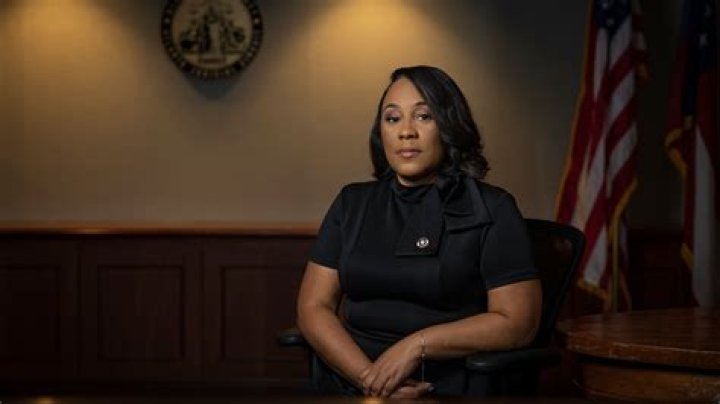
Marcella Samora is an internationally recognized Chicana feminist scholar, activist, and writer whose work has made significant contributions to the fields of education, gender studies, and social justice.
Samora's research and activism focus on the experiences of women of color, particularly Chicanas, in education and society. She has written extensively about the importance of culturally relevant pedagogy and the need for more inclusive and equitable educational practices. Samora's work has been instrumental in shaping policies and programs that support the success of women of color in education.
In addition to her academic work, Samora is also a committed activist. She is a co-founder of the Comision Femenil Mexicana Nacional, a national organization that advocates for the rights of Mexican women. Samora has also worked with numerous other organizations to promote social justice and empower women of color.
Marcella Samora
Marcella Samora is an internationally recognized Chicana feminist scholar, activist, and writer whose work has made significant contributions to the fields of education, gender studies, and social justice.
- Education advocate: Samora's research and activism focus on the experiences of women of color, particularly Chicanas, in education and society.
- Culturally relevant pedagogy: She has written extensively about the importance of culturally relevant pedagogy and the need for more inclusive and equitable educational practices.
- Social justice: Samora's work has been instrumental in shaping policies and programs that support the success of women of color in education.
- Co-founder: She is a co-founder of the Comision Femenil Mexicana Nacional, a national organization that advocates for the rights of Mexican women.
- Activist: Samora has also worked with numerous other organizations to promote social justice and empower women of color.
- Author: She is the author of several books and articles on Chicana feminism, education, and social justice.
- Professor: Samora is a professor emerita of education at the University of California, Berkeley.
- Mentor: She has mentored and inspired generations of students and activists.
These key aspects of Marcella Samora's work and activism highlight her commitment to social justice, education equity, and the empowerment of women of color. Her work has made a significant impact on the lives of countless individuals and communities, and she continues to be a leading voice for change.
Education advocate
Marcella Samora's work as an education advocate is deeply rooted in her commitment to social justice and equity. Her research and activism focus on the experiences of women of color, particularly Chicanas, in education and society.
- Culturally relevant pedagogy: Samora has been a leading voice in the field of culturally relevant pedagogy, which seeks to make education more inclusive and equitable for students from diverse backgrounds. She has developed and implemented numerous programs and initiatives that support the success of women of color in education.
- Policy and advocacy: Samora's research and activism have also had a significant impact on policy and advocacy efforts at the local, state, and national levels. She has worked with policymakers and educators to develop and implement policies that support the educational needs of women of color.
- Community engagement: Samora is deeply committed to community engagement and empowerment. She has worked with numerous community organizations and grassroots groups to provide educational support and resources to women of color.
- Mentorship and inspiration: Samora has mentored and inspired generations of students and activists. She is known for her dedication to supporting the leadership development of women of color.
Through her work as an education advocate, Marcella Samora has made a significant contribution to the field of education and to the lives of countless women of color. Her commitment to social justice and equity has made a lasting impact on the educational landscape and has helped to create a more inclusive and just society.
Culturally relevant pedagogy
Marcella Samora is a leading advocate for culturally relevant pedagogy, an approach to education that seeks to make learning more inclusive and equitable for students from diverse backgrounds. Samora argues that traditional educational practices often fail to meet the needs of students of color, who may come from cultures with different values, beliefs, and ways of learning. Culturally relevant pedagogy seeks to address this by incorporating the cultural experiences and perspectives of students into the curriculum and teaching methods.
Samora's work on culturally relevant pedagogy has had a significant impact on the field of education. She has developed and implemented numerous programs and initiatives that support the success of students of color in education. For example, she founded the Puente Project, a program that provides academic and social support to Latino students at the University of California, Berkeley. The Puente Project has been replicated at other institutions across the country and has helped to increase the graduation rates of Latino students.
Samora's work on culturally relevant pedagogy is important because it helps to create a more inclusive and equitable educational system for all students. By incorporating the cultural experiences and perspectives of students into the curriculum and teaching methods, culturally relevant pedagogy helps to make learning more meaningful and engaging for all students. This leads to better academic outcomes for students of color and helps to create a more just and equitable society.
Social justice
Marcella Samora's commitment to social justice has been a driving force in her work as an education advocate. She has dedicated her career to fighting for the rights of women of color and ensuring that they have access to quality education. Samora's work has been instrumental in shaping policies and programs that support the success of women of color in education.
One of Samora's most significant contributions to social justice in education is her work on culturally relevant pedagogy. She has developed and implemented numerous programs and initiatives that support the success of students of color in education. For example, she founded the Puente Project, a program that provides academic and social support to Latino students at the University of California, Berkeley. The Puente Project has been replicated at other institutions across the country and has helped to increase the graduation rates of Latino students.
Samora's work on social justice in education has also had a significant impact on policy and advocacy efforts at the local, state, and national levels. She has worked with policymakers and educators to develop and implement policies that support the educational needs of women of color. For example, she was instrumental in the development of the California Master Plan for Higher Education, which includes a number of initiatives to support the success of underrepresented students in higher education.
Marcella Samora's work on social justice in education is important because it helps to create a more inclusive and equitable educational system for all students. By incorporating the cultural experiences and perspectives of students into the curriculum and teaching methods, culturally relevant pedagogy helps to make learning more meaningful and engaging for all students. This leads to better academic outcomes for students of color and helps to create a more just and equitable society.
Co-founder
Marcella Samora's work as a co-founder of the Comision Femenil Mexicana Nacional (CFMN) is a significant aspect of her commitment to social justice and the empowerment of women of color.
The CFMN is a national organization that advocates for the rights of Mexican women. It was founded in 1970 by a group of Chicana feminists, including Samora, who were committed to addressing the needs of Mexican women in the United States.
The CFMN provides a range of services to Mexican women, including legal assistance, education, and healthcare. It also works to raise awareness of the issues facing Mexican women and to advocate for their rights.
Samora's work with the CFMN has had a significant impact on the lives of Mexican women in the United States. She has helped to provide essential services to women in need and has been a leading voice in the fight for their rights.
The CFMN is an important example of Samora's commitment to social justice and her work to empower women of color. Her work with the CFMN has made a significant contribution to the lives of Mexican women in the United States.
Activist
Marcella Samora's activism is an integral part of her work as an advocate for social justice and the empowerment of women of color. In addition to her work with the Comision Femenil Mexicana Nacional, Samora has also worked with numerous other organizations to promote social justice and empower women of color.
For example, Samora is a co-founder of the National Women's Studies Association (NWSA), an organization dedicated to promoting feminist research, teaching, and activism. She has also worked with the American Civil Liberties Union (ACLU), the Mexican American Legal Defense and Education Fund (MALDEF), and the National Council of La Raza (NCLR) to advocate for the rights of women of color.
Samora's activism has had a significant impact on the lives of women of color in the United States. She has helped to raise awareness of the issues facing women of color and has been a leading voice in the fight for their rights. Her work has helped to create a more just and equitable society for all.
The connection between Samora's activism and her work as an advocate for social justice and the empowerment of women of color is evident in her commitment to fighting for the rights of all people. She believes that everyone deserves to have a fair chance to succeed, regardless of their race, gender, or ethnicity. Samora's work has made a significant contribution to the lives of women of color in the United States, and she continues to be a leading voice for social justice.
Author
Marcella Samora's work as an author is deeply connected to her commitment to social justice and the empowerment of women of color. Her books and articles have made significant contributions to the fields of Chicana feminism, education, and social justice, and have helped to raise awareness of the issues facing women of color.
- Scholarly contributions: Samora's books and articles have made significant scholarly contributions to the fields of Chicana feminism, education, and social justice. Her work has helped to shape the way that scholars think about these issues, and has provided a foundation for further research.
- Activist scholarship: Samora's work is also an example of activist scholarship, which seeks to use research and writing to promote social change. Her books and articles have been used by activists and policymakers to advocate for the rights of women of color.
- Community engagement: Samora's work as an author has also been deeply engaged with the community. She has worked with community organizations and grassroots groups to provide educational resources and support to women of color.
- Mentorship and inspiration: Samora's work as an author has also been a source of mentorship and inspiration for generations of students and activists. Her writing has helped to raise awareness of the issues facing women of color and has inspired others to work for social justice.
Marcella Samora's work as an author is an important part of her legacy as a scholar, activist, and advocate for social justice. Her books and articles have made a significant contribution to the fields of Chicana feminism, education, and social justice, and have helped to create a more just and equitable society for all.
Professor
Marcella Samora's role as a professor emerita of education at the University of California, Berkeley is deeply connected to her commitment to social justice and the empowerment of women of color. Throughout her career, she has dedicated herself to teaching, mentoring, and inspiring students, particularly those from underrepresented backgrounds.
- Teaching and curriculum development: Samora has developed and taught numerous courses on Chicana feminism, education, and social justice. Her courses are known for their rigor, their focus on critical thinking, and their commitment to social change.
- Mentorship and advising: Samora has mentored and advised generations of students, many of whom have gone on to become leaders in the fields of education, social justice, and public policy. She is known for her dedication to supporting students' academic and professional development, and for her commitment to creating a supportive and inclusive learning environment.
- Research and scholarship: Samora's research and scholarship have had a significant impact on the fields of Chicana feminism, education, and social justice. Her work has helped to shape the way that scholars think about these issues, and has provided a foundation for further research.
- Community engagement: Samora's work as a professor has also been deeply engaged with the community. She has worked with community organizations and grassroots groups to provide educational resources and support to women of color. She has also been involved in policy advocacy and community organizing efforts to promote social justice.
Marcella Samora's work as a professor emerita of education at the University of California, Berkeley is an important part of her legacy as a scholar, activist, and advocate for social justice. Her teaching, mentorship, research, and community engagement have made a significant contribution to the fields of Chicana feminism, education, and social justice, and have helped to create a more just and equitable society for all.
Mentor
Marcella Samora's role as a mentor and inspiration to generations of students and activists is a significant aspect of her commitment to social justice and the empowerment of women of color. Throughout her career, she has dedicated herself to providing guidance, support, and encouragement to students from diverse backgrounds, particularly those who are underrepresented in higher education and in leadership positions.
Samora's mentorship has had a profound impact on the lives and careers of her students. She has helped them to develop their academic and professional skills, to navigate the challenges of higher education and the workplace, and to become leaders in their fields. Many of her former students have gone on to become successful educators, activists, and community leaders, working to make a positive difference in the lives of others.
Samora's commitment to mentorship is rooted in her belief that education is a powerful tool for social change. She believes that by providing support and encouragement to students from underrepresented backgrounds, she can help to create a more just and equitable society. Her mentorship is an important part of her legacy as a scholar, activist, and advocate for social justice.
FAQs about Marcella Samora
This section provides answers to frequently asked questions about Marcella Samora, her work, and her contributions to the fields of education, gender studies, and social justice.
Question 1: Who is Marcella Samora?
Marcella Samora is an internationally recognized Chicana feminist scholar, activist, and writer whose work has made significant contributions to the fields of education, gender studies, and social justice.
Question 2: What are Marcella Samora's main areas of research and activism?
Samora's research and activism focus on the experiences of women of color, particularly Chicanas, in education and society. She is a leading advocate for culturally relevant pedagogy and has worked to create more inclusive and equitable educational practices.
Question 3: What are some of Marcella Samora's most notable achievements?
Samora is a co-founder of the Comision Femenil Mexicana Nacional, a national organization that advocates for the rights of Mexican women. She is also the author of several books and articles on Chicana feminism, education, and social justice. Her work has been instrumental in shaping policies and programs that support the success of women of color in education.
Question 4: How has Marcella Samora's work impacted the field of education?
Samora's work has had a significant impact on the field of education. She has developed and implemented numerous programs and initiatives that support the success of students of color in education. Her research on culturally relevant pedagogy has helped to make education more inclusive and equitable for all students.
Question 5: How has Marcella Samora's activism contributed to social justice?
Samora's activism has contributed to social justice by fighting for the rights of women of color and working to create a more just and equitable society. She has worked with numerous organizations to promote social justice and empower women of color.
Question 6: What is Marcella Samora's legacy?
Marcella Samora's legacy is one of scholarship, activism, and social justice. She has made significant contributions to the fields of education, gender studies, and social justice. Her work has helped to create a more inclusive and equitable society for all.
Summary of key takeaways or final thought:
Marcella Samora is a leading scholar, activist, and advocate for social justice. Her work has had a significant impact on the fields of education, gender studies, and social justice. She is a role model for generations of students and activists, and her legacy will continue to inspire and empower others for years to come.
Next article section:
The following section will explore Marcella Samora's work on culturally relevant pedagogy in more detail. This section will discuss the importance of culturally relevant pedagogy, and how it can be used to create more inclusive and equitable educational practices.
Tips by Marcella Samora
Marcella Samora, an internationally recognized Chicana feminist scholar, activist, and writer, has made significant contributions to the fields of education, gender studies, and social justice. Her work on culturally relevant pedagogy is particularly noteworthy for its focus on creating more inclusive and equitable educational practices.
Tip 1: Start by getting to know your students. This includes understanding their cultural backgrounds, their learning styles, and their interests. When you know your students, you can better tailor your teaching to meet their needs.
Tip 2: Use culturally relevant materials. This means incorporating materials that reflect the cultures of your students. This can help to make learning more meaningful and engaging for all students.
Tip 3: Create a supportive learning environment. This means creating a classroom where all students feel respected and valued. It also means providing opportunities for students to learn from each other.
Tip 4: Be patient and flexible. Learning takes time, and it is important to be patient with your students. Be flexible in your teaching methods and be willing to adjust your plans as needed.
Tip 5: Advocate for your students. This means speaking up for your students when they need it. It also means working to create policies and programs that support the success of all students.
Summary of key takeaways or benefits:
- Culturally relevant pedagogy can help to create more inclusive and equitable educational practices.
- By getting to know your students, using culturally relevant materials, creating a supportive learning environment, being patient and flexible, and advocating for your students, you can help to ensure that all students have the opportunity to succeed.
Transition to the article's conclusion:
Marcella Samora's work on culturally relevant pedagogy provides valuable insights for educators who are committed to creating more inclusive and equitable classrooms. By following these tips, educators can help to ensure that all students have the opportunity to reach their full potential.
Conclusion
Marcella Samora's work has made significant contributions to the fields of education, gender studies, and social justice. She is a leading advocate for culturally relevant pedagogy and has worked to create more inclusive and equitable educational practices.
Samora's work is important because it helps to create a more just and equitable society for all. Her research and activism have helped to raise awareness of the issues facing women of color and have inspired others to work for social change. Samora is a role model for generations of students and activists, and her legacy will continue to inspire and empower others for years to come.
Unlock The Secrets Of Beau Bokan: Discoveries And Insights For Optimal Healing
Unveiling Camilla Araujo's Impact And Journey: Discoveries And Insights
Unveiling Insights And Discoveries: The Extraordinary Journey Of Kathleen Lynch