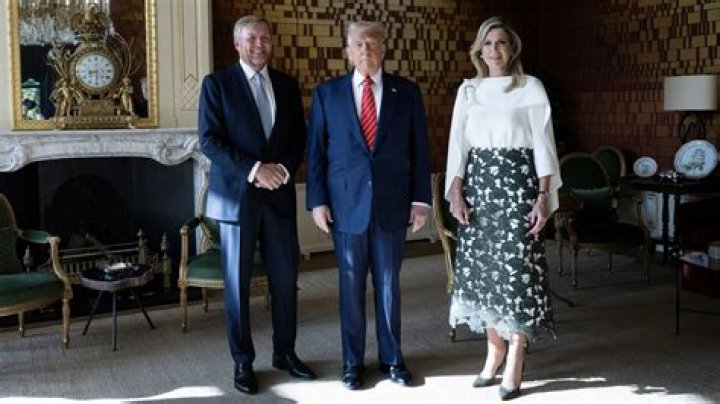
The regime refers to a system of government or rule, typically one that is authoritarian or oppressive. Regimes can be characterized by their use of force, suppression of dissent, and control over the population. Some common types of regimes include dictatorships, totalitarian regimes, and military juntas.
Regimes can have a significant impact on the lives of those who live under them. They can suppress basic freedoms, limit economic opportunities, and create a climate of fear and uncertainty. However, some regimes may also provide stability and order, especially in times of crisis. The importance of a regime depends on its specific characteristics and the context in which it operates.
The term "regime" can also be used in a more general sense to refer to any system or set of rules. For example, we might talk about a "fitness regime" or a "dietary regime." In this sense, a regime is simply a plan or set of guidelines that is followed in order to achieve a particular goal.
The Regime
The term "regime" can refer to a government or ruling system, or more broadly to any system or set of rules. In the context of government, a regime is typically characterized by its use of power and control over the population. Some common types of regimes include dictatorships, totalitarian regimes, and military juntas. Regimes can have a significant impact on the lives of those who live under them, both positive and negative.
- Authoritarian
- Oppressive
- Dictatorial
- Totalitarian
- Military
- Stable
- Orderly
- Controlled
- Suppressive
These key aspects highlight the different dimensions of regimes, from their use of power and control to their impact on the population. Regimes can be authoritarian, oppressive, and dictatorial, but they can also be stable, orderly, and controlled. The specific characteristics of a regime will depend on its ideology, leadership, and the historical and cultural context in which it operates.
Authoritarian
Authoritarianism is a form of government characterized by the concentration of power in the hands of a single person or a small group of people. Authoritarian regimes are often characterized by their use of force, suppression of dissent, and control over the population. They may also restrict civil liberties, such as freedom of speech, assembly, and the press.
- Limited Political Participation
Authoritarian regimes typically restrict political participation, often through such as.
- Concentration of Power
Power is concentrated in the hands of a single person or a small group of people. This concentration of power can lead to abuse of power and corruption.
- Use of Force
Authoritarian regimes often use force to maintain control. This can include the use of military force, police brutality, and arbitrary arrests.
- Suppression of Dissent
Authoritarian regimes suppress dissent through censorship, propaganda, and intimidation. They may also use violence to silence opposition.
Authoritarian regimes can have a significant negative impact on the lives of those who live under them. They can suppress basic freedoms, limit economic opportunities, and create a climate of fear and uncertainty.
Oppressive
Oppressive regimes are characterized by their use of force, suppression of dissent, and control over the population. They may also restrict civil liberties, such as freedom of speech, assembly, and the press.
- Violent Repression - Oppressive regimes often use violence to maintain control. This can include the use of military force, police brutality, and arbitrary arrests.
- Economic Exploitation - Oppressive regimes may also use economic exploitation to control the population. This can include forced labor, confiscations of property, and denial of access to basic services.
- Social Control - Oppressive regimes often use social control to maintain their power. This can include propaganda, censorship, and the suppression of dissent.
- Environmental Degradation - Oppressive regimes may also engage in environmental degradation, such as the destruction of natural resources and pollution, in order to maintain their control over the population.
Oppressive regimes can have a devastating impact on the lives of those who live under them. They can suppress basic freedoms, limit economic opportunities, and create a climate of fear and uncertainty.
Dictatorial
A dictatorial regime is one in which a single person or a small group of people holds absolute power. Dictatorships are often characterized by their use of force, suppression of dissent, and control over the population.
- Absolute Power
Dictators have absolute power over their country and its people. They can make and enforce laws without any input from the people or other branches of government.
- Use of Force
Dictators often use force to maintain their power. This can include the use of military force, police brutality, and arbitrary arrests.
- Suppression of Dissent
Dictators suppress dissent through censorship, propaganda, and intimidation. They may also use violence to silence opposition.
- Control over the Economy
Dictators often control the economy of their country. This can include owning key industries, setting prices, and controlling the distribution of goods and services.
Dictatorial regimes can have a devastating impact on the lives of those who live under them. They can suppress basic freedoms, limit economic opportunities, and create a climate of fear and uncertainty.
Totalitarian
Totalitarian regimes are characterized by their complete control over every aspect of public and private life. They seek to control not only the political and economic spheres, but also the social, cultural, and even personal lives of their citizens.
- Complete Control over the Political System
Totalitarian regimes have a monopoly on political power. They suppress all forms of political opposition and dissent, and they control the electoral process to ensure that their preferred candidates are elected.
- Complete Control over the Economy
Totalitarian regimes control the economy through central planning. They set prices, determine production levels, and allocate resources according to their own priorities.
- Complete Control over the Media
Totalitarian regimes control the media to ensure that their propaganda is disseminated throughout society. They suppress all forms of independent media, and they use censorship to prevent the spread of ideas that could challenge their authority.
- Complete Control over Education
Totalitarian regimes control education to indoctrinate their citizens with their ideology. They teach their citizens to obey the regime and to reject all other forms of thought.
Totalitarian regimes are a serious threat to human rights and freedom. They can lead to widespread poverty, oppression, and violence. It is important to be aware of the dangers of totalitarianism and to work to prevent its rise.
Military
The military is a key component of many regimes, both past and present. In some cases, the military is the primary source of power for the regime, while in other cases it plays a supporting role. However, in all cases, the military is an important part of the regime's ability to maintain control.
The military can be used by the regime to suppress dissent, enforce order, and project power both at home and abroad. For example, the military was used by the Chinese government to suppress the Tiananmen Square protests in 1989. The military is also used by the United States government to enforce order in Iraq and Afghanistan.
In addition to its role in maintaining control, the military can also be used by the regime to promote economic development and social welfare. For example, the military has been used by the Chinese government to build roads and bridges, and to provide medical care to rural communities. The military has also been used by the United States government to provide disaster relief and humanitarian assistance.
The relationship between the military and the regime is complex and varies from country to country. However, in all cases, the military is an important part of the regime's ability to maintain control and achieve its goals.
Stable
Stability is often seen as a desirable characteristic of a regime. A stable regime is one that is able to maintain order and prevent chaos. This can be important for economic development and social progress. However, it is important to note that stability can also be used to justify authoritarian regimes that suppress dissent and limit individual freedoms.
- Economic Stability
A stable regime can provide a stable economic environment that is conducive to investment and growth. This can lead to increased economic prosperity for the population as a whole.
- Political Stability
A stable regime can provide a stable political environment that is free from violence and unrest. This can allow for the development of democratic institutions and the rule of law.
- Social Stability
A stable regime can provide a stable social environment that is free from discrimination and inequality. This can allow for the development of a more just and equitable society.
- International Stability
A stable regime can contribute to international stability by promoting peace and cooperation. This can help to reduce the risk of war and conflict.
While stability is often seen as a positive characteristic, it is important to remember that it can also be used to justify authoritarian regimes. It is important to strike a balance between stability and freedom, and to ensure that stability does not come at the expense of human rights.
Orderly
In the context of "the regime", "orderly" refers to the state of being organized, controlled, and free from disruption or chaos. Orderliness is often seen as a desirable characteristic of a regime, as it can contribute to stability, efficiency, and predictability.
- Suppression of Dissent
One way in which regimes can maintain order is through the suppression of dissent. This can involve the use of force, intimidation, or censorship to prevent people from expressing their opposition to the regime.
- Control of the Media
Regimes can also maintain order by controlling the media. This can involve the censorship of news and information, or the use of propaganda to promote the regime's own narrative.
- Surveillance and Control
Regimes can also maintain order through the use of surveillance and control. This can involve the use of technology to monitor people's activities, or the use of informants to report on any suspicious behaviour.
- Economic Stability
Economic stability can also contribute to orderliness. When people are economically secure, they are less likely to engage in disruptive or rebellious behaviour.
While orderliness can be a positive characteristic, it is important to remember that it can also be used to justify authoritarian regimes that suppress dissent and limit individual freedoms. It is important to strike a balance between orderliness and freedom, and to ensure that orderliness does not come at the expense of human rights.
Controlled
The term "controlled" is often used to describe regimes that exercise a high degree of authority over their citizens. This control can manifest in a variety of ways, including restrictions on freedom of speech, assembly, and the press; the use of surveillance and censorship; and the suppression of political dissent. Controlled regimes may also seek to regulate economic activity, social behavior, and even personal beliefs.
There are a number of reasons why a regime might seek to exert control over its citizens. In some cases, control may be seen as a necessary means of maintaining order and stability. In other cases, it may be used to suppress dissent and maintain the regime's power. Whatever the reason, the use of control can have a profound impact on the lives of those who live under it.
Controlled regimes can have a number of negative consequences, including the suppression of individual freedom, the erosion of democratic institutions, and the creation of a climate of fear and mistrust. In some cases, controlled regimes may also lead to violence and conflict. It is therefore important to be aware of the dangers of control and to work to prevent its rise.
There are a number of things that can be done to resist control and promote freedom. These include supporting democratic institutions, defending freedom of speech and assembly, and working to build a more just and equitable society. It is also important to be aware of the dangers of propaganda and to be critical of information that is presented by the government or other powerful institutions.
Suppressive
Suppressive regimes are characterized by their use of force, intimidation, and censorship to maintain control over their citizens. They may restrict freedom of speech, assembly, and the press, and they may use violence to suppress dissent. Suppressive regimes can have a devastating impact on the lives of those who live under them, creating a climate of fear and uncertainty.
- Control of the Media
Suppressive regimes often control the media in order to prevent the spread of dissent. They may censor news and information, or they may use propaganda to promote their own narrative. - Suppression of Dissent
Suppressive regimes often suppress dissent through the use of force, intimidation, or imprisonment. They may also use surveillance to monitor the activities of their citizens. - Restrictions on Freedom of Expression
Suppressive regimes often restrict freedom of expression, including freedom of speech, assembly, and the press. They may also restrict access to the internet and other forms of communication. - Use of Violence
Suppressive regimes often use violence to maintain control. They may use violence to disperse protests, to suppress dissent, or to punish those who oppose the regime.
Suppressive regimes are a serious threat to human rights and freedom. They can stifle creativity, innovation, and economic growth. They can also lead to violence and conflict. It is important to be aware of the dangers of suppressive regimes and to work to prevent their rise.
Frequently Asked Questions about Regimes
Regimes, or systems of government, can vary greatly in their characteristics and methods of operation. To clarify common misconceptions and address concerns, we present the following frequently asked questions and their respective answers.
Question 1: What are the key characteristics of a regime?
Answer: Regimes can be defined by their use of power, their relationship with citizens, and their impact on society. Key characteristics include the concentration of authority, the level of political participation, the treatment of dissent, and the extent of social control.
Question 2: How do regimes differ from governments?
Answer: While the terms "regime" and "government" are often used interchangeably, there is a subtle distinction. "Government" typically refers to the formal institutions and structures through which power is exercised within a state. "Regime," on the other hand, encompasses not only the government but also the broader political and social system that supports it.
Question 3: What are some common types of regimes?
Answer: Regimes can be classified into various types based on their ideological orientation, power structure, and relationship with citizens. Some common types include authoritarian regimes, democratic regimes, totalitarian regimes, and military regimes.
Question 4: How can regimes impact the lives of citizens?
Answer: Regimes have a profound impact on the daily lives of citizens. They shape the political, economic, and social environment in which people live. Regimes can provide stability, security, and prosperity, or they can lead to oppression, conflict, and human rights abuses.
Question 5: What are the warning signs of a repressive regime?
Answer: Repressive regimes often exhibit certain warning signs, such as restrictions on freedom of expression and assembly, suppression of dissent, and the use of violence to maintain control. It is crucial to be vigilant and recognize these signs to prevent the erosion of democratic values and human rights.
Question 6: How can citizens resist oppressive regimes?
Answer: Resisting oppressive regimes requires courage, resilience, and collective action. Citizens can use nonviolent methods such as protests, civil disobedience, and international advocacy to demand change. It is important to build alliances with like-minded individuals and organizations and to seek support from the international community.
In conclusion, understanding the nature of regimes is crucial for informed civic engagement and the promotion of democratic values. By raising awareness about different types of regimes, their characteristics, and their impact on society, we can contribute to a more just and equitable world.
Transition to the next article section: Exploring the Historical Evolution of Regimes
Tips to Enhance Understanding of Regimes
Understanding the nature and dynamics of regimes is crucial for informed civic engagement and the promotion of democratic values. To enhance your knowledge and analytical skills, consider the following tips:
Tip 1: Examine Historical ContextRegimes are shaped by historical, cultural, and economic factors. Studying the historical context of a regime can provide insights into its origins, evolution, and the challenges it faces.
Tip 2: Analyze Power StructuresRegimes vary in the way power is distributed and exercised. Analyze the power structures within a regime to understand who holds authority, how decisions are made, and how power is maintained.
Tip 3: Evaluate Citizen ParticipationThe level of citizen participation in a regime is a key indicator of its legitimacy and responsiveness. Examine the opportunities and mechanisms for citizens to participate in political processes and decision-making.
Tip 4: Monitor Treatment of DissentRegimes' treatment of dissent reveals their commitment to freedom of expression and tolerance. Analyze how a regime responds to opposition, whether it allows for peaceful protests and open dialogue, or suppresses dissent through censorship or violence.
Tip 5: Assess the Impact on SocietyRegimes have a profound impact on the lives of citizens. Examine the social, economic, and cultural consequences of a regime's policies and practices.
Summary:By following these tips, you can develop a deeper understanding of regimes, their diverse characteristics, and their impact on society. This knowledge empowers you to engage in informed discussions, critically evaluate political systems, and contribute to the promotion of democratic values and human rights.
Transition to the article's conclusion: Understanding Regimes: A Path to Informed Civic Engagement
Conclusion
Our exploration of the concept of "the regime" has shed light on the diverse forms of government and their profound impact on societies. Regimes vary widely in their use of power, treatment of citizens, and impact on the social, economic, and political landscape.
Understanding regimes is crucial for informed civic engagement and the promotion of democratic values. By recognizing the characteristics, dynamics, and potential consequences of different regimes, we can actively work towards just and equitable systems that respect human rights and foster human flourishing. This understanding empowers us to critically evaluate political systems, resist oppression, and contribute to a better future for all.
Unveiling The Pioneering Spirit: Maimuna Amin And Her Vision For Gender Equality
Unveiling Hidden Truths: Discover The Extraordinary With "On The Fringe With Dan"
Unveiling Candace Owens' Husband: Uncovering Insights And Hidden Truths
Regime Meaning YouTube
What Is A Regime?
Regime (Injustice The Regime) DC Database FANDOM powered by Wikia