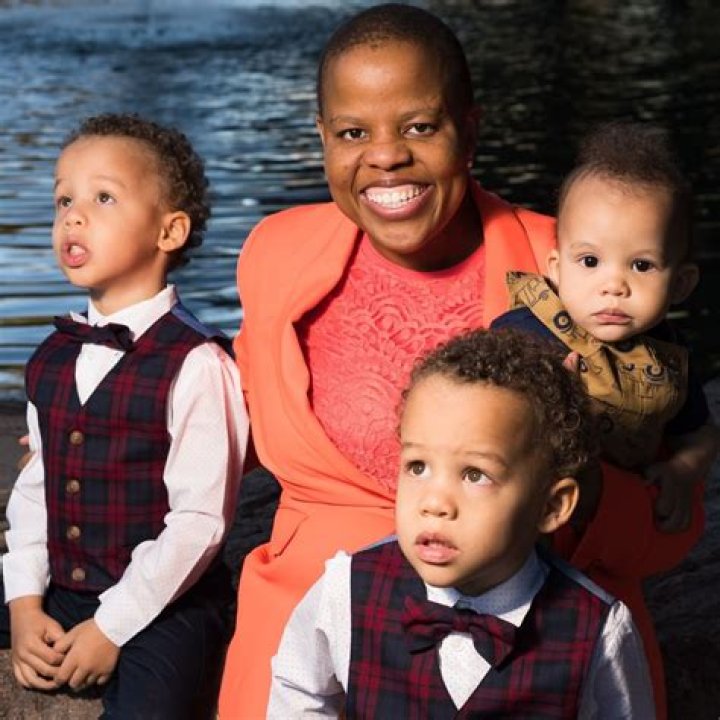
"Joe Rogan Kids" refers to the controversy surrounding podcaster Joe Rogan's comments about children and gender identity.
In an episode of his podcast, Rogan suggested that children are capable of making decisions about their gender identity, and that parents should not be involved in the process.
His comments were met with widespread criticism, with many people accusing him of being transphobic. Rogan later apologized for his comments, but the controversy continues to dog him.
The "Joe Rogan Kids" controversy raises important questions about the role of parents in their children's lives, and the rights of transgender people.
Joe Rogan Kids
The "Joe Rogan Kids" controversy has raised important questions about the role of parents in their children's lives, and the rights of transgender people.
- Parental rights
- Children's rights
- Transgender rights
- Freedom of speech
- Cancel culture
- The role of social media
- The importance of critical thinking
- The need for respectful dialogue
These are complex issues with no easy answers. However, it is important to have a nuanced understanding of the different perspectives involved in order to have a productive conversation about them.
For example, parents have a right to raise their children in accordance with their own beliefs. However, children also have the right to make their own decisions about their lives, including their gender identity.
It is important to find a balance between these two rights. Parents should be supportive of their children, regardless of their gender identity. However, they should also respect their children's autonomy and allow them to make their own decisions.
The "Joe Rogan Kids" controversy is a reminder that these issues are complex and there is no easy solution. However, it is important to have a respectful dialogue about them in order to find a way forward that respects the rights of all involved.
Parental rights
Parental rights are the legal rights and responsibilities of parents with respect to their children. These rights and responsibilities vary from country to country, but they typically include the right to make decisions about the child's upbringing, education, and medical care.
- The right to make decisions about the child's upbringing
This includes decisions about the child's education, religious upbringing, and extracurricular activities. - The right to make decisions about the child's education
This includes decisions about the child's school, curriculum, and extracurricular activities. - The right to make decisions about the child's medical care
This includes decisions about the child's vaccinations, medical treatments, and end-of-life care. - The right to discipline the child
This includes the right to use reasonable physical force to discipline the child.
The "Joe Rogan Kids" controversy has raised important questions about the role of parents in their children's lives. Rogan suggested that children are capable of making decisions about their gender identity, and that parents should not be involved in the process. This has led to a debate about the extent to which parents have the right to make decisions about their children's lives.
There is no easy answer to this question. On the one hand, parents have a responsibility to protect and care for their children. On the other hand, children have the right to make their own decisions as they grow older.
The best approach is probably to find a balance between these two rights. Parents should be supportive of their children, regardless of their gender identity. However, they should also respect their children's autonomy and allow them to make their own decisions.
Children's rights
The "Joe Rogan Kids" controversy has raised important questions about the role of parents in their children's lives, and the rights of transgender people. One of the most important considerations is the rights of children.
- The right to privacy
This includes the right to make decisions about their own bodies, including their gender identity. - The right to freedom of expression
This includes the right to express their gender identity without fear of discrimination or harassment. - The right to equal protection under the law
This includes the right to be treated fairly by the government and other institutions, regardless of their gender identity. - The right to education
This includes the right to receive an education that is free from discrimination and harassment.
These are just a few of the rights that children have. It is important to remember that children are individuals with their own rights, and that these rights should be respected.
Transgender rights
Transgender rights are the civil rights of transgender people, including the right to live openly and authentically, free from discrimination and violence. Transgender rights are a subset of LGBTQ rights, and they are essential for transgender people to live full and healthy lives.
The "Joe Rogan Kids" controversy has raised important questions about the role of parents in their children's lives, and the rights of transgender people. Rogan suggested that children are capable of making decisions about their gender identity, and that parents should not be involved in the process. This has led to a debate about the extent to which parents have the right to make decisions about their children's lives, and the rights of transgender children.
Transgender children have the right to live openly and authentically, free from discrimination and violence. They have the right to make decisions about their own bodies, including their gender identity. Parents should support their transgender children and respect their decisions.
Freedom of speech
Freedom of speech is a fundamental human right that is essential for a democratic society. It allows individuals to express their opinions and ideas without fear of censorship or reprisal. Freedom of speech is also important for holding those in power accountable and for promoting social change.
The "Joe Rogan Kids" controversy has raised important questions about the limits of free speech. Rogan, a popular podcaster, has been accused of spreading misinformation and hate speech on his show. Some people have argued that Rogan's speech should be censored, while others have defended his right to free speech.
There is no easy answer to this question. On the one hand, it is important to protect freedom of speech, even when we disagree with the views being expressed. On the other hand, it is also important to hold people accountable for their speech, especially when it is harmful or hateful.
The best way to balance these two interests is to have a strong commitment to free speech, but also to hold people accountable for their words. This means that we should not censor speech simply because we disagree with it, but we should also not tolerate speech that is harmful or hateful.
Cancel culture
Cancel culture is a modern form of ostracism in which someone is thrust out of social or professional circles whether online, on social media, or in person usually due to a perceived failure to adhere to societal norms.
In the case of "Joe Rogan Kids," cancel culture was used to try to silence Joe Rogan after he made controversial comments about transgender children. Rogan's comments were widely criticized, and many people called for him to be canceled. However, Rogan has a large following of supporters who defended his right to free speech.
The "Joe Rogan Kids" controversy highlights the complex and often contradictory nature of cancel culture. On the one hand, cancel culture can be a powerful tool for holding people accountable for their words and actions. On the other hand, cancel culture can also be used to silence dissenting voices and stifle debate.
Ultimately, the decision of whether or not to cancel someone is a personal one. However, it is important to be aware of the potential consequences of cancel culture before taking action.
The role of social media
The "Joe Rogan Kids" controversy has highlighted the powerful role that social media plays in shaping public opinion and discourse. Rogan's comments about transgender children were widely criticized on social media, and many people called for him to be canceled. This led to a public debate about the role of social media in holding people accountable for their words and actions.
- Amplification of voices
Social media gives a voice to people who would not otherwise be heard. This can be a positive force, as it allows marginalized groups to share their stories and experiences. However, it can also be a negative force, as it allows people to spread misinformation and hate speech. - Echo chambers
Social media algorithms are designed to show users content that they are likely to agree with. This can lead to the creation of echo chambers, where people are only exposed to views that reinforce their own beliefs. This can make it difficult for people to have meaningful conversations with those who have different views. - Cancel culture
Cancel culture is a form of online shaming that can be used to silence dissenting voices. This can have a chilling effect on free speech, as people may be afraid to express their views for fear of being canceled. - Spread of misinformation
Social media is a breeding ground for misinformation. This can be a serious problem, as it can lead people to make decisions based on false information.
The "Joe Rogan Kids" controversy is a reminder that social media is a powerful tool that can be used for good or for evil. It is important to be aware of the potential risks and benefits of social media so that you can use it wisely.
The importance of critical thinking
The "Joe Rogan Kids" controversy has highlighted the importance of critical thinking. Rogan, a popular podcaster, made controversial comments about transgender children, and many people criticized him for spreading misinformation and hate speech. However, Rogan has a large following of supporters who defend his right to free speech.
The controversy has led to a debate about the role of critical thinking in our society. Critical thinking is the ability to think clearly and rationally about what to do or what to believe. It involves the ability to analyze information, identify biases, and evaluate evidence.
Critical thinking is important in all aspects of our lives, but it is especially important when we are trying to make decisions about complex issues. The "Joe Rogan Kids" controversy is a reminder that we need to be able to think critically about the information we are presented with, and to be able to make our own decisions about what to believe.
Here are some tips for developing your critical thinking skills:
- Be aware of your own biases.
- Consider all sides of an issue.
- Evaluate evidence carefully.
- Be willing to change your mind.
Critical thinking is a skill that takes practice. By following these tips, you can improve your critical thinking skills and become a more informed and thoughtful citizen.
The need for respectful dialogue
The "Joe Rogan Kids" controversy has highlighted the need for respectful dialogue in our society. Rogan, a popular podcaster, made controversial comments about transgender children, and many people criticized him for spreading misinformation and hate speech. However, Rogan has a large following of supporters who defend his right to free speech.
The controversy has led to a debate about the role of respectful dialogue in a free society. Respectful dialogue is a conversation in which people listen to each other'ss, try to understand each other's perspectives, and avoid personal attacks.
Respectful dialogue is important for a number of reasons. First, it allows people to have productive conversations about complex issues. When people are able to listen to each other's perspectives, they are more likely to find common ground and reach consensus. Second, respectful dialogue helps to build trust between people. When people feel like they are being heard and respected, they are more likely to be open to new ideas and perspectives.
The "Joe Rogan Kids" controversy is a reminder that we need to be able to have respectful dialogue about difficult issues. We need to be able to listen to each other's perspectives, try to understand each other's experiences, and avoid personal attacks. Only then can we hope to build a more just and equitable society.
FAQs about "Joe Rogan Kids"
The "Joe Rogan Kids" controversy has raised a number of important questions about the role of parents in their children's lives, the rights of transgender people, and the limits of free speech. This FAQ section addresses some of the most common concerns and misconceptions about these issues.
Question 1: What are the rights of transgender children?
Transgender children have the right to live openly and authentically, free from discrimination and violence. They have the right to make decisions about their own bodies, including their gender identity. Parents should support their transgender children and respect their decisions.
Question 2: What are the limits of free speech?
Freedom of speech is a fundamental human right, but it is not absolute. Speech that is harmful or hateful can be restricted. The "Joe Rogan Kids" controversy has raised questions about the limits of free speech, and there is no easy answer. Ultimately, the decision of whether or not to restrict speech is a complex one that must be made on a case-by-case basis.
Question 3: What is the role of parents in their children's lives?
Parents have a responsibility to protect and care for their children. They also have the right to make decisions about their children's upbringing, education, and medical care. However, parents should also respect their children's autonomy and allow them to make their own decisions as they grow older.
Question 4: What is cancel culture?
Cancel culture is a modern form of ostracism in which someone is thrust out of social or professional circles, usually due to a perceived failure to adhere to societal norms. Cancel culture can be a powerful tool for holding people accountable for their words and actions, but it can also be used to silence dissenting voices and stifle debate.
Question 5: What is the importance of critical thinking?
Critical thinking is the ability to think clearly and rationally about what to do or what to believe. It involves the ability to analyze information, identify biases, and evaluate evidence. Critical thinking is important in all aspects of our lives, but it is especially important when we are trying to make decisions about complex issues.
Question 6: What is the need for respectful dialogue?
Respectful dialogue is a conversation in which people listen to each other's perspectives, try to understand each other's experiences, and avoid personal attacks. Respectful dialogue is important for building trust and finding common ground. It is essential for a healthy and productive society.
Summary of key takeaways or final thought:
The "Joe Rogan Kids" controversy has raised a number of important questions about the role of parents in their children's lives, the rights of transgender people, and the limits of free speech. It is important to approach these issues with critical thinking and a commitment to respectful dialogue.
Transition to the next article section:
The following section will explore the topic of "Joe Rogan Kids" in more detail.
Tips Regarding the "Joe Rogan Kids" Controversy
The "Joe Rogan Kids" controversy has raised significant concerns and questions regarding parental responsibilities, transgender rights, and the boundaries of free speech. To navigate these complex issues effectively, consider the following tips:
Tip 1: Prioritize Respectful DialogueEngage in conversations with an open mind, actively listening to diverse perspectives and seeking to understand rather than merely respond. Avoid personal attacks and inflammatory language that hinder meaningful discourse.
Tip 2: Value Critical ThinkingExamine information critically, evaluating its credibility and potential biases. Consider multiple sources and perspectives to form well-informed opinions. Challenge assumptions and seek evidence to support claims.
Tip 3: Understand Parental Rights and ResponsibilitiesParents have the right to guide their children's upbringing, including decisions about education and healthcare. However, they must also respect their children's growing autonomy and evolving identities.
Tip 4: Respect Transgender RightsRecognize and affirm the rights of transgender people, including their right to self-identify and live authentically. Support policies and practices that promote their well-being and protect them from discrimination.
Tip 5: Balance Free Speech with AccountabilityUphold freedom of speech as a fundamental right while acknowledging the potential consequences of harmful or hateful. Encourage responsible speech and hold individuals accountable for that incites violence or discrimination.
Tip 6: Promote Inclusivity and EmpathyCreate inclusive environments where all individuals feel valued and respected, regardless of their gender identity. Foster empathy and understanding to bridge divides and build a more harmonious society.
Summary
Navigating the complexities of the "Joe Rogan Kids" controversy requires a commitment to respectful dialogue, critical thinking, and an understanding of the rights and responsibilities of parents, transgender individuals, and society as a whole. By embracing these principles, we can work towards a more just and equitable future.
Transition to the Article's Conclusion
The ongoing discussion surrounding "Joe Rogan Kids" highlights the need for continued engagement, open-mindedness, and a collective effort to foster a society that respects and protects the rights of all individuals.
Conclusion
The exploration of the "Joe Rogan Kids" controversy has illuminated the intricate intersection of parental rights, transgender rights, and the boundaries of free speech. It is imperative to approach these delicate matters with critical thinking and a deep commitment to respectful dialogue.
By prioritizing inclusivity, respecting diverse perspectives, and upholding the rights of all individuals, we can collectively navigate these complexities and foster a society that values both freedom of expression and the protection of vulnerable communities. The ongoing discourse surrounding "Joe Rogan Kids" serves as a catalyst for continued engagement, empathy, and a collective aspiration for a just and equitable future.