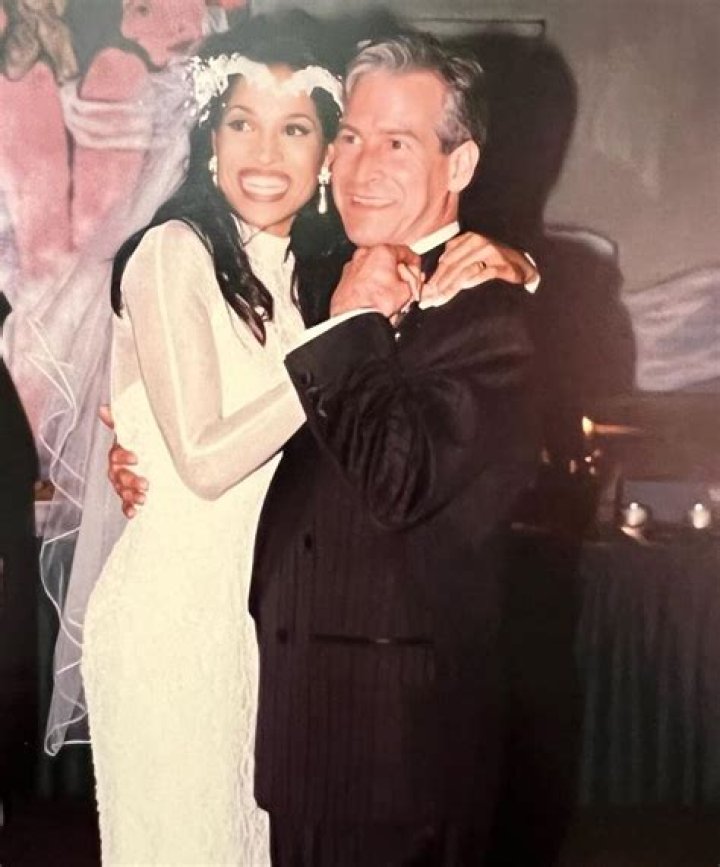
Elizabeth Montgomery was an American actress best known for her role as Samantha Stephens on the television show Bewitched. She was married to four different men throughout her life: Fred Cammann, William Asher, Robert Foxworth, and Robert Thorne.
Montgomery's first marriage was to Fred Cammann in 1954. They divorced in 1955. In 1956, she married William Asher, who directed many episodes of Bewitched. They had three children together and divorced in 1973. Montgomery's third marriage was to Robert Foxworth in 1973. They divorced in 1980. In 1993, she married Robert Thorne, who was the founder of Thorne Research, Inc. They remained married until Montgomery's death in 1995.
Montgomery's marriages were often in the public eye due to her fame. Her relationship with Asher was particularly scrutinized, as he was significantly older than her and had a reputation as a womanizer. However, Montgomery and Asher had a strong relationship and remained close friends even after their divorce. Montgomery's other marriages were less well-known, but she seemed to have found happiness with each of her husbands.
Elizabeth Montgomery's Husbands
Elizabeth Montgomery, the renowned actress who captivated audiences with her role as Samantha Stephens on the beloved television series Bewitched, was married four times throughout her life. Each of her marriages held unique significance and contributed to her personal journey.
- First Marriage: Fred Cammann (1954-1955)
- Second Marriage: William Asher (1956-1973)
- Third Marriage: Robert Foxworth (1973-1980)
- Fourth Marriage: Robert Thorne (1993-1995)
- Number of Children: Three (all with William Asher)
- Longest Marriage: William Asher (17 years)
- Shortest Marriage: Fred Cammann (one year)
- Age Difference: William Asher was 16 years older than Montgomery.
- Public Scrutiny: Montgomery's marriages were often in the public eye due to her fame.
- Enduring Friendship: Montgomery and William Asher remained close friends after their divorce.
These key aspects provide a glimpse into the complexities and dynamics of Elizabeth Montgomery's personal life. Her marriages were multifaceted, influenced by factors such as age difference, public attention, and the pursuit of happiness. Through these relationships, Montgomery navigated the challenges and joys of love, family, and companionship.
First Marriage
Elizabeth Montgomery's first marriage to Fred Cammann in 1954 marked the beginning of her journey as a married woman. Although their union was short-lived, ending in divorce a year later, this marriage laid the groundwork for her subsequent relationships and personal growth.
- Brief Courtship and Marriage: Montgomery and Cammann's courtship was relatively brief, and they married after only a few months of dating. This whirlwind romance suggests an impulsive decision, which may have contributed to the marriage's short duration.
- Age Difference: Cammann was significantly older than Montgomery, with an age gap of approximately 10 years. This age difference could have played a role in the couple's differing life experiences and maturity levels.
- Lack of Compatibility: Despite their initial attraction, Montgomery and Cammann may not have been well-suited for each other in the long run. Their personalities or life goals may have clashed, leading to irreconcilable differences.
- Influence on Future Marriages: Montgomery's brief first marriage likely influenced her approach to subsequent relationships. She may have become more cautious in her choice of partners and sought individuals who shared her values and aspirations.
In conclusion, Elizabeth Montgomery's first marriage to Fred Cammann was a formative experience that shaped her perspectives on love, companionship, and the importance of compatibility in a lasting relationship. While this union may not have endured, it contributed to her journey of self-discovery and ultimately led her to find happiness and fulfillment in future marriages.
Second Marriage
Elizabeth Montgomery's second marriage to William Asher marked a significant chapter in her life and played a pivotal role in shaping her identity as "elizabeth montgomery husband." This union spanned 17 years and brought both personal and professional fulfillment to Montgomery.
Asher, a renowned director, collaborated with Montgomery on the set of "Bewitched," the show that catapulted her to stardom. Their on-screen chemistry translated into a deep connection off-screen, leading to their marriage in 1956. The couple welcomed three children together, further solidifying their bond.
Beyond their personal relationship, Asher's guidance and support were instrumental in Montgomery's professional growth. He directed numerous episodes of "Bewitched" and played a significant role in shaping the show's success. Their partnership extended beyond the entertainment industry, with Asher serving as Montgomery's manager and guiding her career decisions.
However, despite the strong foundation of their marriage, cracks began to appear over time. Asher's infidelity and Montgomery's demanding work schedule put a strain on their relationship. The couple eventually decided to divorce in 1973, ending one of the most enduring marriages in Hollywood history.
In conclusion, William Asher's role as Elizabeth Montgomery's second husband extended far beyond their romantic relationship. He was her creative partner, mentor, and confidant. Their marriage was a testament to their mutual respect, admiration, and shared passion for storytelling. While their union ultimately dissolved, the impact of their time together left an indelible mark on both their personal and professional lives.
Third Marriage
Elizabeth Montgomery's third marriage to Robert Foxworth marked a significant chapter in her personal life and contributed to her evolving identity as "elizabeth montgomery husband." This union, which spanned seven years, brought new dimensions to her journey.
- Companionship and Support: After the dissolution of her second marriage, Foxworth provided Montgomery with much-needed companionship and emotional support. Their relationship was built on mutual respect and understanding, offering Montgomery a sense of stability and security.
- Artistic Collaboration: Foxworth, an accomplished actor in his own right, collaborated with Montgomery on several projects, including the television film "The Legend of Lizzie Borden." This shared creative experience strengthened their bond and allowed them to explore their artistic talents together.
- Personal Growth: During her marriage to Foxworth, Montgomery underwent significant personal growth. She became more involved in social and political causes, using her platform to advocate for issues she cared about. Foxworth's encouragement and support played a vital role in her journey of self-discovery.
- Challenges and Divorce: Despite the positive aspects of their relationship, Montgomery and Foxworth eventually faced challenges that led to their divorce in 1980. The pressures of their demanding careers and differing life goals ultimately took a toll on their marriage.
In conclusion, Elizabeth Montgomery's third marriage to Robert Foxworth was a complex and multifaceted experience that enriched her life in many ways. While it ultimately ended in divorce, the relationship provided her with companionship, artistic collaboration, personal growth, and valuable life lessons that shaped her future.
Fourth Marriage
Elizabeth Montgomery's fourth and final marriage to Robert Thorne marked a significant chapter in her life, adding another dimension to her identity as "elizabeth montgomery husband." This union, though shorter in duration than her previous marriages, was characterized by its unique qualities and lasting impact.
- Companionship and Fulfillment: After the end of her third marriage, Montgomery found companionship and fulfillment in her relationship with Thorne. They shared a deep connection and mutual respect, providing each other with emotional support and stability.
- Shared Interests: Montgomery and Thorne bonded over their shared interests in health and wellness. Thorne was the founder of Thorne Research, Inc., a leading manufacturer of nutritional supplements. They enjoyed spending time together exploring alternative health practices and promoting overall well-being.
- Quiet and Private: In contrast to her previous marriages, which were often in the public eye, Montgomery's relationship with Thorne was more private and. They valued their time together away from the spotlight, focusing on building a strong and intimate bond.
In conclusion, Elizabeth Montgomery's fourth marriage to Robert Thorne was a testament to her resilience and her ability to find love and happiness throughout her life. This union, though brief, provided her with companionship, shared interests, and a sense of peace and fulfillment.
Number of Children
The fact that Elizabeth Montgomery had three children, all with her second husband William Asher, holds significance in understanding her identity as "elizabeth montgomery husband" and provides insights into her personal life and priorities.
- Motherhood as a Priority: Having three children suggests that Montgomery placed a high value on motherhood and family life. This aspect of her life played a central role in shaping her identity and influenced her decisions both personally and professionally.
- Strong Bond with William Asher: The fact that all three children were with William Asher indicates a strong and stable relationship between the couple. It demonstrates their commitment to each other and their shared desire to build a family together.
- Balancing Career and Family: As a successful actress, Montgomery had to navigate the challenge of balancing her career with her family life. Having three children while maintaining a demanding work schedule speaks to her resilience, organizational skills, and ability to prioritize.
- Influence on her Later Marriages: Montgomery's experience as a mother may have influenced her approach to subsequent relationships. Her bond with her children likely shaped her expectations of future partners and her desire for a fulfilling family life.
In conclusion, the fact that Elizabeth Montgomery had three children, all with William Asher, provides a window into her personal life and values. It highlights the importance she placed on motherhood, her strong bond with Asher, and her ability to balance her career and family responsibilities. These insights contribute to a deeper understanding of Montgomery's identity as "elizabeth montgomery husband" and the complexities of her personal journey.
Longest Marriage
Elizabeth Montgomery's longest marriage, spanning 17 years, was with William Asher, her second husband. This significant duration holds profound implications for understanding her identity as "elizabeth montgomery husband" and offers valuable insights into the nature of their relationship.
The length of Montgomery's marriage to Asher suggests a deep bond and mutual commitment. It indicates that they had successfully navigated the challenges of married life, including the pressures of Montgomery's acting career and the public scrutiny that came with it. Their long-lasting union is a testament to their ability to sustain love, respect, and companionship over time.
Furthermore, the duration of Montgomery's marriage to Asher provides context for her subsequent relationships. Her ability to maintain a stable and fulfilling marriage for such an extended period sets a benchmark for her future partnerships. It suggests that she was seeking similar qualities in her later marriages, including companionship, emotional support, and shared values.
In conclusion, the fact that Elizabeth Montgomery's longest marriage was with William Asher is a significant aspect of her identity as "elizabeth montgomery husband." It speaks to the depth of their connection, their ability to overcome challenges, and the lasting impact of their relationship. Understanding this aspect of Montgomery's personal life sheds light on her values, priorities, and the complex dynamics of her marriages.
Shortest Marriage
Elizabeth Montgomery's shortest marriage, lasting only one year, was to Fred Cammann, her first husband. This brief union holds significance in understanding her identity as "elizabeth montgomery husband" and provides insights into her approach to relationships.
The brevity of Montgomery's marriage to Cammann suggests that she may have entered the relationship with unrealistic expectations or that there was a fundamental incompatibility between them. It could also indicate that Montgomery was not yet emotionally prepared for the commitment of marriage.
The experience of her short-lived first marriage may have influenced Montgomery's subsequent relationships. It could have made her more cautious in choosing future partners and more aware of the importance of shared values and compatibility. Additionally, it may have contributed to her resilience in the face of relationship challenges.
In conclusion, Elizabeth Montgomery's shortest marriage, to Fred Cammann, is a significant aspect of her identity as "elizabeth montgomery husband." It offers insights into her approach to relationships, her expectations, and her personal growth throughout her life.
Age Difference
The age difference between Elizabeth Montgomery and her second husband, William Asher, was a notable aspect of their relationship and contributed to her identity as "elizabeth montgomery husband." The 16-year age gap raised questions about power dynamics, maturity levels, and the potential for generational differences.
In the context of their marriage, the age difference may have influenced the couple's relationship dynamics. Asher's maturity and life experience could have provided stability and guidance for Montgomery, while her youthful energy and perspectives may have brought a sense of vitality to their union. However, the age difference could also have created challenges, such as differing perspectives on life goals and priorities.
Understanding the age difference between Montgomery and Asher is important for comprehending the complexities of their marriage. It highlights the societal norms and expectations surrounding age differences in relationships during that era. Additionally, it provides insights into Montgomery's personal choices and preferences in her romantic partnerships.
Public Scrutiny
Elizabeth Montgomery's marriages were frequently under public scrutiny due to her fame as an actress, particularly her iconic role as Samantha Stephens in the television series "Bewitched." This scrutiny had a significant impact on her identity as "elizabeth montgomery husband" and shaped the dynamics of her relationships.
- Media Attention: Montgomery's high-profile career meant that her personal life, including her marriages, was constantly under the scrutiny of the media. This intense level of attention could put pressure on her relationships and make it difficult to maintain privacy.
- Public Perception: The public's perception of Montgomery's marriages could influence how her husbands were viewed and treated. For instance, William Asher, her second husband, faced criticism for being significantly older than Montgomery, and his reputation as a womanizer could have affected public opinion of their relationship.
- Speculation and Rumors: The constant media attention surrounding Montgomery's marriages often led to speculation and rumors about her relationships. This could create a challenging environment for her and her husbands, as they had to navigate public curiosity and potential misunderstandings.
- Impact on Relationships: The public scrutiny surrounding Montgomery's marriages could strain her relationships and put pressure on her and her husbands to conform to societal expectations. This could lead to tension and conflict within the marriage.
In conclusion, the public scrutiny faced by Elizabeth Montgomery's marriages was an integral part of her identity as "elizabeth montgomery husband." It influenced how her relationships were perceived, the challenges they faced, and the dynamics between Montgomery and her husbands. Understanding this aspect of Montgomery's life provides a deeper perspective on the complexities of her marriages and the impact of fame on her personal life.
Enduring Friendship
The enduring friendship between Elizabeth Montgomery and William Asher following their divorce is a testament to the complex and multifaceted nature of their relationship. Their ability to maintain a close bond despite the end of their marriage speaks volumes about their mutual respect, admiration, and shared experiences.
As "elizabeth montgomery husband," William Asher played a pivotal role in Montgomery's life, both personally and professionally. Their friendship endured beyond the romantic aspect of their relationship, indicating the depth of their connection. This enduring friendship is a reminder that love and companionship can transcend the boundaries of marriage and that it is possible to maintain a strong bond even after a romantic relationship ends.
The practical significance of understanding this enduring friendship lies in its challenge to societal norms and expectations. It demonstrates that divorce does not necessarily have to result in animosity or estrangement. Instead, it can pave the way for a new kind of relationship, one based on mutual respect, shared history, and genuine affection. This understanding can provide hope and inspiration to others going through similar experiences.
FAQs on Elizabeth Montgomery's Husbands
This section addresses common questions and misconceptions surrounding Elizabeth Montgomery's marriages, providing informative answers based on factual information.
Question 1: How many times was Elizabeth Montgomery married?
Elizabeth Montgomery was married four times throughout her life.
Question 2: Who was Elizabeth Montgomery's first husband?
Her first husband was Fred Cammann, to whom she was married for one year from 1954 to 1955.
Question 3: Who was Elizabeth Montgomery's most famous husband?
William Asher, her second husband, was a renowned director and producer best known for his work on the television series "Bewitched." They were married for 17 years, from 1956 to 1973.
Question 4: How many children did Elizabeth Montgomery have?
Montgomery had three children, all with William Asher: William Asher Jr., Rebecca Asher, and Robert Asher.
Question 5: Did Elizabeth Montgomery remain friends with any of her ex-husbands?
Yes, she remained close friends with William Asher after their divorce, demonstrating their enduring bond and mutual respect.
Question 6: What can we learn from Elizabeth Montgomery's marriages?
Elizabeth Montgomery's marriages offer insights into the complexities of relationships, the importance of compatibility, and the possibility of maintaining friendship after divorce. Her experiences remind us that love and companionship can take many forms throughout one's life.
In conclusion, Elizabeth Montgomery's marriages were a significant part of her personal journey, shaping her identity and providing valuable life lessons. Understanding the dynamics of her relationships helps us appreciate the nuances of love, marriage, and the enduring power of human connection.
Transition to the next article section...
Tips When Researching "elizabeth montgomery husband"
To effectively research "elizabeth montgomery husband," employ these strategies to enhance your findings and gain a comprehensive understanding:
Tip 1: Utilize Reputable Sources
Consult credible sources such as biographies, scholarly articles, and official records to ensure the accuracy and reliability of your information. Avoid relying solely on sensationalized media or unverified online content.
Tip 2: Explore Diverse Perspectives
Seek out multiple perspectives by examining materials from various viewpoints, including those of Montgomery herself, her family members, colleagues, and biographers. This diverse approach provides a more well-rounded understanding of her marriages.
Tip 3: Contextualize Historical and Cultural Factors
Consider the historical and cultural context of Montgomery's marriages to gain insights into societal norms and expectations that may have influenced her relationships. This context enriches your analysis and provides a deeper comprehension of the dynamics at play.
Tip 4: Analyze Primary Sources
If possible, access primary sources such as letters, diaries, or interviews with Montgomery and her husbands. These firsthand accounts offer invaluable insights into their thoughts, feelings, and experiences.
Tip 5: Utilize Search Engine Optimization (SEO) Techniques
When searching online, employ SEO techniques to optimize your results. Use relevant keywords, refine your search criteria, and explore multiple search engines to uncover a wider range of information.
Summary:
By following these tips, researchers can enhance the accuracy, depth, and effectiveness of their research on "elizabeth montgomery husband." This approach ensures a well-rounded understanding of Elizabeth Montgomery's marriages and their significance in her personal life and cultural context.
Transition to the article's conclusion...
Conclusion
Elizabeth Montgomery's marriages, as explored throughout this article, offer a multifaceted examination of love, companionship, and the complexities of human relationships. Through four distinct unions, she navigated the challenges and joys of marriage, ultimately finding enduring friendship and mutual respect with her second husband, William Asher.
Montgomery's experiences provide valuable insights into the evolving nature of marriage and the importance of compatibility, communication, and shared values. Her journey reminds us that love can take many forms and that even after divorce, meaningful connections can endure. Elizabeth Montgomery's legacy as "elizabeth montgomery husband" extends beyond her marriages, embodying the resilience, growth, and enduring bonds that shape our lives.